
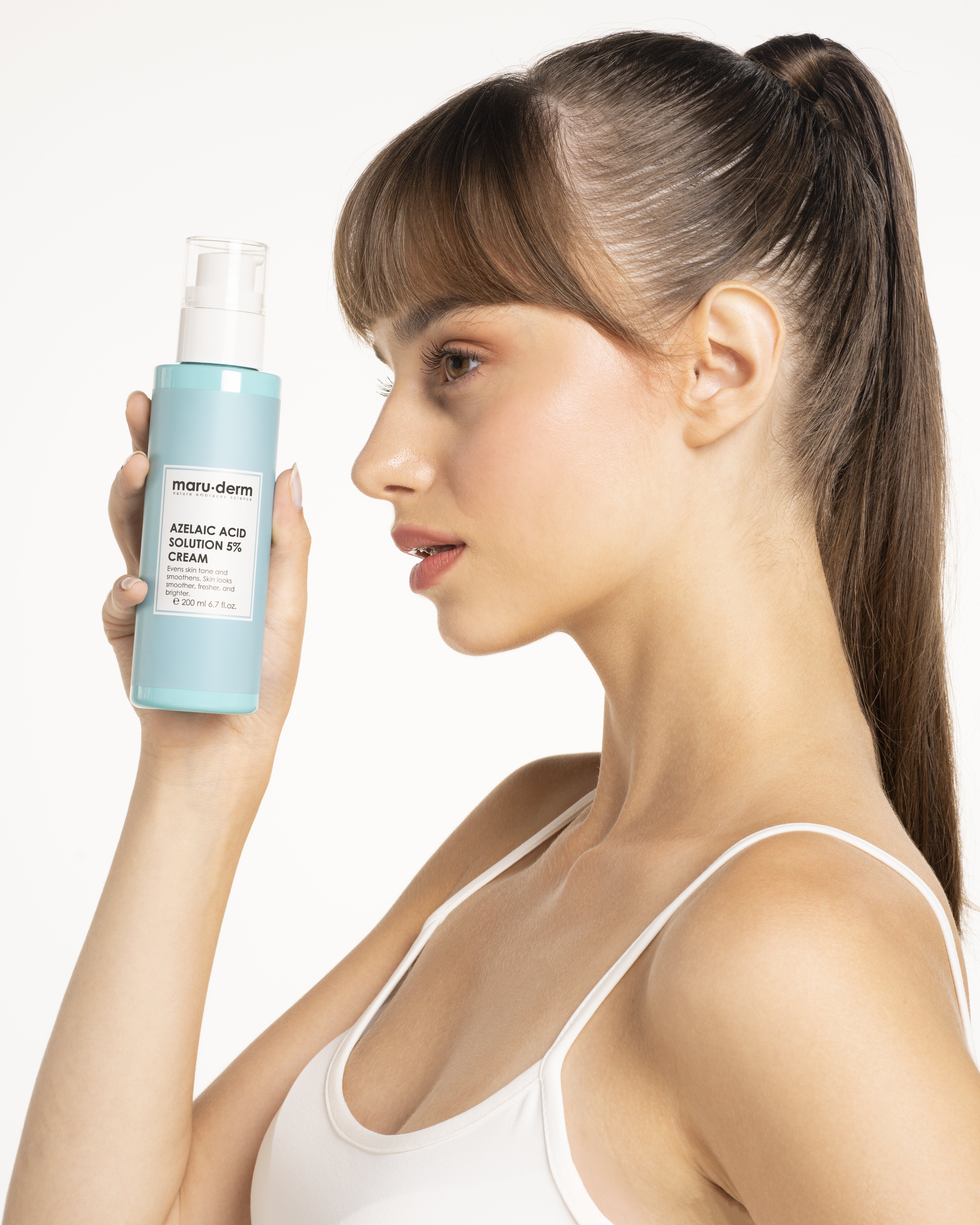
Azelaic Acid: The Complete Guide to Clear, Calm, and Even Skin
What Skin Problems Does Azelaic Acid Solve?
Modern skincare users often struggle with multiple concerns at once. It is very common to experience acne, redness, sensitivity, and dark spots simultaneously. However, most skincare products are designed to solve only one of these issues at a time.
This leads to complicated routines where multiple active ingredients are layered together. As a result, the skin becomes irritated, the barrier weakens, and results become inconsistent.
The root of most skin problems comes down to a few key biological factors :
Excess sebum production
Clogged pores due to dead skin buildup
Bacterial imbalance on the skin
Chronic inflammation
Irregular melanin production
Azelaic acid is one of the rare ingredients that can target all of these mechanisms at once. This is why it has become increasingly important in modern dermatology and dermocosmetic formulations.
What Is Azelaic Acid? (Scientific Explanation)
Azelaic acid is a naturally occurring dicarboxylic acid found in grains such as wheat, barley, and rye. In skincare, it is synthetically formulated to provide stable and effective results.
From a dermatological perspective, azelaic acid works through multiple pathways:
It inhibits the growth of acne-causing bacteria
It normalizes keratin production inside pores
It reduces inflammatory responses in the skin
It blocks the tyrosinase enzyme responsible for pigmentation
It helps regulate sebum production
Because of this multi-functional mechanism, azelaic acid is not just an exfoliating ingredient. It is a complete treatment solution that addresses the underlying causes of several skin concerns.
Why Azelaic Acid Is Important in Skincare
Unlike many active ingredients that can be aggressive or irritating, azelaic acid offers a balanced approach. It provides effective results without damaging the skin barrier, making it suitable for long-term use.
It plays a critical role in modern skincare because it simplifies routines while maintaining high performance. Instead of using multiple strong actives, azelaic acid allows users to address acne, redness, and pigmentation in a more controlled and sustainable way.
How Azelaic Acid Helps Acne-Prone Skin
Acne develops due to a combination of excess oil, clogged pores, bacterial growth, and inflammation. Many treatments focus on drying out the skin or aggressively exfoliating it, which can lead to further imbalance.
Azelaic acid works differently. It reduces the presence of acne-causing bacteria while helping pores stay clear and minimizing inflammation. This results in fewer breakouts and calmer skin over time.
To support this process, proper cleansing is essential.
Maruderm Salicylic Acid Face Cleansing Gel helps remove excess oil and impurities from the skin, allowing azelaic acid to work more effectively.
How Azelaic Acid Reduces Redness and Sensitivity
Redness is often a sign of underlying inflammation and a weakened skin barrier. Many active ingredients can worsen this condition, especially in sensitive skin types.
Azelaic acid helps reduce redness by calming inflammatory signals in the skin. Over time, it improves skin tolerance and reduces reactivity. This makes it one of the most suitable ingredients for individuals with sensitive or rosacea-prone skin.
How Azelaic Acid Improves Hyperpigmentation
Uneven skin tone and dark spots occur when melanin production becomes irregular. This is often triggered by acne, sun exposure, or inflammation.
Azelaic acid works by inhibiting the enzyme responsible for melanin production. This helps reduce the appearance of dark spots and promotes a more even complexion.
However, pigmentation cannot be treated effectively without sun protection.
Maruderm SPF 50+ Vitamin C Sunscreen helps prevent further discoloration and protects the skin from UV damage.
How Azelaic Acid Improves Skin Texture and Pores
Rough skin texture and visible pores are usually caused by irregular cell turnover and oil buildup. Azelaic acid supports smoother skin by promoting gentle exfoliation and maintaining pore clarity.
Unlike strong exfoliating acids, it does this without causing excessive dryness or irritation. This makes it suitable for continuous use in daily routines.
The Science Behind Azelaic Acid
Azelaic acid works through multiple biological mechanisms that support overall skin health.
It reduces bacterial growth, normalizes the behavior of skin cells inside pores, and decreases inflammatory activity. At the same time, it regulates melanin production and balances oil levels.
This combination allows it to address several skin concerns simultaneously while maintaining skin barrier integrity.
How to Use Azelaic Acid in a Skincare Routine
Morning Routine
Cleanser → Azelaic acid → Moisturizer → Sunscreen
Evening Routine
Cleanser → Azelaic acid → Moisturizer
To maintain hydration and support the skin barrier,
Maruderm Hyaluronic Acid Moisturizing Cream helps keep the skin balanced and comfortable.
Common Mistakes When Using Azelaic Acid
Using too many active ingredients together, skipping sunscreen, and expecting immediate results are the most common mistakes.
Azelaic acid works best when used consistently in a simple and balanced routine.
How Azelaic Acid Compares to Other Ingredients
Azelaic acid differs from other actives because it targets multiple skin concerns at once while remaining gentle on the skin.
It can be used alongside ingredients like niacinamide, hyaluronic acid, and vitamin C for enhanced results. However, overuse of strong exfoliating acids should be avoided.
Who Should Use Azelaic Acid
Azelaic acid is suitable for a wide range of skin types, including oily, dry, sensitive, and combination skin. It is especially beneficial for individuals dealing with acne, redness, and hyperpigmentation.
How Long Does Azelaic Acid Take to Work
Most users begin to see improvements within a few weeks. More noticeable results typically appear after consistent use for 4 to 8 weeks.
Long-Term Benefits of Azelaic Acid
With regular use, azelaic acid helps regulate oil production, reduce inflammation, stabilize the skin microbiome, and prevent pigmentation issues.
These long-term effects contribute to healthier, more balanced skin.
Complete Routine Example
Step 1: Cleanse with Maruderm Salicylic Acid Face Cleansing Gel
Step 2: Apply azelaic acid
Step 3: Moisturize with Maruderm Hyaluronic Acid Moisturizing Cream
Step 4: Protect with Maruderm SPF 50+ Vitamin C Sunscreen
FAQ
1. Can azelaic acid be used every day?
Yes, it is suitable for daily use depending on skin tolerance.
2. Is azelaic acid good for acne?
Yes, it helps reduce bacteria and inflammation.
3. Does it help with dark spots?
Yes, it reduces hyperpigmentation over time.
4. Is it safe for sensitive skin?
Yes, it is one of the most gentle active ingredients.
5. Can it be used with niacinamide?
Yes, they work well together.
6. Does it dry the skin?
No, it is generally non-drying.
7. How long does it take to see results?
Typically 4 to 8 weeks.
8. Can it replace other acids?
It can reduce the need for multiple actives.
9. Is sunscreen necessary?
Yes, daily sunscreen is essential.
10. Can it be used long-term?
Yes, it is safe for continuous use.
Conclusion
Azelaic acid is one of the most versatile and effective ingredients in skincare. It addresses acne, redness, pigmentation, and texture simultaneously while maintaining skin balance.
With consistent use and proper routine integration, it helps achieve clearer, calmer, and more even-looking skin.