
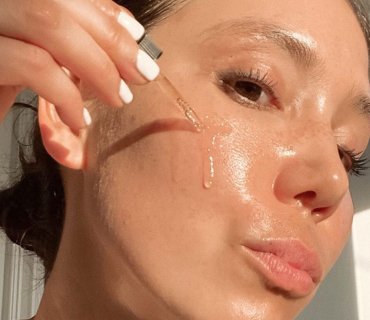
What Is Glycolic Acid?
Glycolic acid is a type of alpha hydroxy acid (AHA) derived from sugar cane. It is widely used in skincare due to its ability to exfoliate the skin effectively.
Among all AHAs, glycolic acid has the smallest molecular size, which allows it to penetrate the skin more deeply than other exfoliating acids.
This makes it highly effective for:
Improving skin texture
Brightening the skin
Reducing fine lines
Treating clogged pores
How Glycolic Acid Works (Scientific Explanation)
Glycolic acid works by breaking down the bonds between dead skin cells on the surface of the skin.
Normally:
Dead skin cells accumulate
Skin becomes dull and rough
Pores become clogged
Glycolic acid:
Loosens these bonds
Accelerates cell turnover
Reveals fresh, new skin
This process is known as chemical exfoliation.
Why Exfoliation Is Essential for Skin Health
Skin naturally renews itself, but this process slows down due to:
Aging
Environmental stress
Poor skincare habits
When renewal slows:
Dead cells build up
Skin looks dull
Texture becomes uneven
Glycolic acid helps restore this natural process.
Key Benefits of Glycolic Acid
1. Smoother Skin Texture
By removing dead skin cells, glycolic acid:
Softens rough skin
Improves overall texture
Reduces unevenness
2. Brighter and More Radiant Skin
Dullness is often caused by buildup on the skin surface.
Glycolic acid reveals fresh skin, resulting in:
Improved radiance
Even skin tone
Healthier appearance
3. Helps Reduce Dark Spots
Glycolic acid promotes faster skin renewal, which helps:
Fade hyperpigmentation
Reduce post-acne marks
Improve uneven tone
For protection against further pigmentation, daily use of Maruderm SPF 50+ Vitamin C Sunscreen is essential.
4. Unclogs Pores and Helps Acne
Glycolic acid helps prevent clogged pores by removing buildup.
This:
Reduces blackheads
Prevents breakouts
Improves skin clarity
For daily cleansing support, Maruderm Salicylic Acid Face Cleansing Gel helps remove excess oil and impurities.
5. Supports Anti-Aging
Glycolic acid stimulates skin renewal, which helps:
Reduce fine lines
Improve skin elasticity
Enhance smoothness
Who Should Use Glycolic Acid?
Glycolic acid is suitable for:
Dull skin
Uneven texture
Hyperpigmentation
Mild acne
However, it should be used carefully on sensitive skin.
Who Should Avoid or Be Careful
Very sensitive skin
Damaged skin barrier
Active irritation
These skin types should introduce glycolic acid slowly or avoid it temporarily.
How to Start Using Glycolic Acid
Beginners should:
Start with low concentrations
Use 2–3 times per week
Apply at night
Overuse can lead to irritation.
Why Over-Exfoliation Is Dangerous
Using glycolic acid too frequently can:
Damage the skin barrier
Cause redness and irritation
Increase sensitivity
Balance is essential for safe use.
The Role of Hydration in Glycolic Acid Use
Exfoliation increases the need for hydration.
Using Maruderm Hyaluronic Acid Moisturizing Cream helps:
Maintain moisture balance
Reduce irritation
Support skin recovery
Why Sunscreen Is Mandatory
Glycolic acid increases skin sensitivity to sunlight.
Without protection:
Skin becomes more prone to damage
Pigmentation worsens
Daily use of Maruderm SPF 50+ Vitamin C Sunscreen is essential.
What Results to Expect
With consistent use:
Week 1–2: Skin feels smoother
Week 3–4: Improved brightness
Week 4–8: Visible tone improvement
Results depend on consistency and proper use.
FAQ
1. What does glycolic acid do?
It exfoliates and renews the skin.
2. Is glycolic acid safe?
Yes, when used correctly.
3. Can it help acne?
Yes, by preventing clogged pores.
4. Does it lighten skin?
It evens skin tone, not bleach.
5. How often should I use it?
2–3 times per week.
6. Can sensitive skin use it?
With caution and low frequency.
7. Does it cause irritation?
If overused, yes.
8. Should I use it in the morning?
Preferably at night.
9. Is sunscreen necessary?
Yes, always.
10. How long to see results?
4–8 weeks.
How to Use Glycolic Acid Correctly (Step-by-Step Routine)
Using glycolic acid effectively requires proper timing, layering, and frequency. Incorrect use is one of the main reasons people experience irritation instead of results.
A structured routine ensures:
Maximum benefits
Minimal irritation
Long-term skin improvement
Morning Routine (Protection Focus)
Glycolic acid is generally not recommended in the morning due to increased sun sensitivity. Instead, the morning routine should focus on protection.
Step 1: Cleanse
Use a gentle cleanser to remove oil and impurities.
Maruderm Salicylic Acid Face Cleansing Gel helps maintain pore clarity and prepares the skin.
Step 2: Hydrate
Apply a moisturizer to maintain skin balance.
Maruderm Hyaluronic Acid Moisturizing Cream supports hydration and reduces sensitivity.
Step 3: Protect
Apply sunscreen as the final step.
Maruderm SPF 50+ Vitamin C Sunscreen protects against UV damage and prevents pigmentation.
Evening Routine (Treatment Focus)
This is when glycolic acid should be used.
Step 1: Cleanse
Remove dirt and oil with a gentle cleanser.
Step 2: Apply Glycolic Acid
Use a thin layer
Avoid sensitive areas (eyes, lips)
Do not combine with strong actives initially
Step 3: Moisturize
Apply Maruderm Hyaluronic Acid Moisturizing Cream to restore hydration and support recovery.
How Often Should You Use Glycolic Acid?
Frequency depends on your skin type and tolerance.
Beginners: 1–2 times per week
Intermediate: 2–3 times per week
Advanced users: Up to 3–4 times per week (if tolerated)
Overuse leads to:
Irritation
Barrier damage
Increased sensitivity
Glycolic Acid for Different Skin Concerns
1. Acne and Breakouts
Glycolic acid helps prevent clogged pores by removing dead skin buildup.
Best approach:
Use glycolic acid for surface exfoliation
Combine with pore-clearing cleansing
2. Hyperpigmentation
Glycolic acid accelerates skin renewal, helping fade dark spots over time.
For best results:
Use consistently
Always apply sunscreen
3. Dull and Uneven Skin
Glycolic acid removes buildup that causes dullness.
Results:
Brighter skin
Improved radiance
Smoother texture
4. Fine Lines and Aging
By promoting cell turnover, glycolic acid helps:
Improve skin texture
Reduce appearance of fine lines
Support smoother skin
How to Combine Glycolic Acid with Other Ingredients
Safe Combinations
Hyaluronic acid → hydration
Niacinamide → barrier support
Sunscreen → protection
Use With Caution
Retinoids
Other exfoliating acids
Vitamin C (high concentrations)
Avoid using multiple strong actives in the same routine.
Signs You Are Using Glycolic Acid Incorrectly
Burning sensation
Persistent redness
Excess dryness
Increased breakouts
These are signs of overuse or barrier damage.
How to Fix Over-Exfoliation
If irritation occurs:
Stop glycolic acid temporarily
Focus on hydration
Simplify your routine
Use gentle products only
Barrier repair is essential before reintroducing exfoliation.
Why Hydration Is Critical During Exfoliation
Exfoliation removes dead skin but also increases water loss.
Without hydration:
Skin becomes dry
Sensitivity increases
Barrier weakens
Using Maruderm Hyaluronic Acid Moisturizing Cream helps maintain balance and reduce irritation.
Why Sunscreen Is Non-Negotiable
Glycolic acid makes skin more sensitive to UV rays.
Without sunscreen:
Pigmentation worsens
Skin damage increases
Results are reversed
Daily use of Maruderm SPF 50+ Vitamin C Sunscreen is essential.
Common Mistakes When Using Glycolic Acid
Using it every day too early
Combining with too many actives
Skipping moisturizer
Not using sunscreen
Applying too much product
Avoiding these mistakes ensures better results.
How Long Does It Take to See Results?
Results vary depending on consistency and skin condition.
Typical timeline:
Week 1–2: Smoother feel
Week 3–4: Brighter skin
Week 4–8: Visible improvement in tone and texture
FAQ
1. Can I use glycolic acid every day?
Not recommended for beginners.
2. Should I use it morning or night?
Night is preferred.
3. Can it cause purging?
Yes, temporarily.
4. Can I use it with niacinamide?
Yes, they work well together.
5. Is moisturizer necessary?
Yes, always.
6. Can glycolic acid damage skin?
Yes, if overused.
7. What should I avoid mixing?
Strong actives like retinol.
8. How much should I apply?
A thin layer.
9. Can I use it on sensitive skin?
With caution and low frequency.
10. What is the biggest mistake?
Over-exfoliation.
Long-Term Benefits of Glycolic Acid
When used correctly and consistently, glycolic acid delivers long-term improvements in overall skin quality. Unlike short-term treatments, its effects build gradually as the skin renews itself more efficiently.
Over time, glycolic acid helps:
Improve skin texture
Even out skin tone
Reduce appearance of fine lines
Minimize clogged pores
Enhance overall radiance
These benefits are cumulative, meaning results improve with continued use.
Why Glycolic Acid Results Take Time
Many users expect immediate transformation, but skin renewal is a biological process that requires time.
Key factors:
Skin cycle takes approximately 28 days (longer with age)
Pigmentation fades gradually
Collagen support develops slowly
This is why consistency matters more than intensity.
How Glycolic Acid Transforms Skin Over Time
Short-Term (Weeks 1–2)
Smoother skin surface
Improved softness
Slight increase in glow
Mid-Term (Weeks 3–6)
More even skin tone
Reduced dullness
Fewer clogged pores
Long-Term (Weeks 6–12+)
Visible reduction in dark spots
Improved texture
Healthier and brighter complexion
How to Maintain Results Long-Term
Achieving results is only the first step. Maintaining them requires consistency and proper routine management.
1. Continue Controlled Exfoliation
Do not stop exfoliation completely. Instead:
Maintain 2–3 times per week
Adjust frequency based on skin response
2. Maintain Hydration Daily
Hydration keeps the skin balanced and prevents irritation.
Using Maruderm Hyaluronic Acid Moisturizing Cream helps:
Maintain moisture levels
Support barrier health
Improve skin comfort
3. Protect Against Sun Damage
UV exposure can reverse all progress.
Using Maruderm SPF 50+ Vitamin C Sunscreen daily:
Prevents pigmentation
Protects skin structure
Maintains results
4. Avoid Overloading the Routine
Adding too many products can:
Irritate the skin
Damage the barrier
Reduce effectiveness
Keep your routine simple and consistent.
Who Should Avoid Glycolic Acid Long-Term
Glycolic acid is not suitable for everyone in all conditions.
Use caution if you have:
Highly sensitive skin
Damaged skin barrier
Active irritation
In these cases, focus on barrier repair before reintroducing exfoliation.
How to Adjust Your Routine Over Time
Skin needs change depending on environment, age, and condition.
When Skin Becomes Sensitive
Reduce frequency
Increase hydration
Simplify routine
When Skin Is Stable
Maintain routine
Continue regular exfoliation
During Seasonal Changes
Winter → increase hydration
Summer → prioritize sun protection
The Biggest Glycolic Acid Mistakes
Using it too frequently
Combining with too many actives
Skipping sunscreen
Not moisturizing properly
Expecting fast results
Avoiding these mistakes ensures better outcomes.
Minimal Glycolic Acid Routine (Best System)
Morning
Cleanser
Moisturizer
Sunscreen (Maruderm SPF 50+ Vitamin C Sunscreen)
Evening (Exfoliation Days)
Cleanser (Maruderm Salicylic Acid Face Cleansing Gel)
Glycolic acid
Moisturizer (Maruderm Hyaluronic Acid Moisturizing Cream)
Evening (Non-Exfoliation Days)
Cleanser
Moisturizer
Why “Less Is More” Works Best
Using fewer products:
Reduces irritation
Improves consistency
Enhances results
A focused routine delivers better long-term outcomes.
Final Perspective: The Right Way to Use Glycolic Acid
Glycolic acid is one of the most effective ingredients for improving skin quality when used correctly.
Its success depends on:
Proper frequency
Balanced routine
Consistent use
Sun protection
With the right approach, it can transform skin into a smoother, brighter, and more even complexion.
FAQ (Part 3)
1. Can I use glycolic acid long-term?
Yes, with proper frequency.
2. What happens if I stop using it?
Skin may return to previous condition over time.
3. Is glycolic acid good for aging?
Yes, it improves texture and fine lines.
4. Can it remove dark spots completely?
It helps fade them gradually.
5. How do I maintain results?
Consistency and sunscreen.
6. Can I use it all year?
Yes, with sun protection.
7. What is the safest frequency?
2–3 times per week.
8. Can it damage skin?
Yes, if overused.
9. Should I hydrate more while using it?
Yes, hydration is essential.
10. What is the most important step?
Sunscreen.