
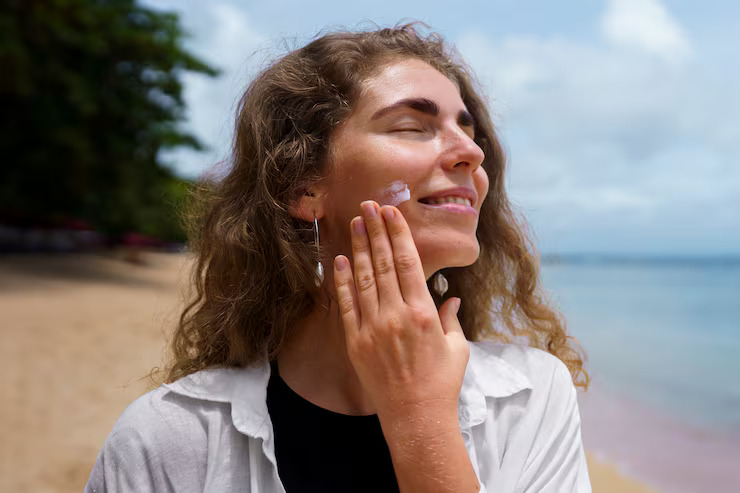
Why Korean Sunscreen Became a Global Skincare Trend
Korean sunscreen became popular because it solved a problem that many people had quietly accepted for years: sunscreen often felt unpleasant.
For a long time, people associated sunscreen with thick textures, greasy finishes, white cast, sticky residue, and a heavy feeling on the skin. Many users knew sunscreen was important, but they still avoided it because they did not enjoy applying it every morning.
Korean sunscreen changed that conversation.
Instead of treating SPF as a separate, uncomfortable protective layer, Korean skincare brands approached sunscreen as part of a daily skincare routine. The focus was not only protection, but also comfort, hydration, finish, and skin compatibility.
This is why Korean sunscreen gained global attention. It made sunscreen feel wearable.
People who previously skipped SPF because it felt too oily, too white, too heavy, or too irritating suddenly found formulas that felt closer to moisturizer, serum, or lightweight cream. This made daily sunscreen use much easier.
That is the real reason Korean sunscreen became so popular: it helped people stay consistent.
A sunscreen only works if people actually use it. A formula that feels elegant, comfortable, and easy to apply every day has a major advantage.
The Main Reason Korean Sunscreen Is Popular: Texture
Texture is the biggest reason Korean sunscreen became famous.
Many people do not dislike sunscreen because they dislike sun protection. They dislike sunscreen because of how it feels.
Common complaints about traditional sunscreen include:
Greasy finish
Heavy texture
Sticky residue
White cast
Pilling under makeup
Eye stinging
Thick application
Uncomfortable feel in hot weather
Korean sunscreen became popular because it often focuses on solving these problems.
Many Korean SPF formulas are designed to feel:
Lightweight
Breathable
Hydrating
Smooth
Fast-absorbing
Comfortable under makeup
Less greasy
More skincare-like
This changed consumer expectations. Sunscreen was no longer something people tolerated. It became something they enjoyed using.
Recent beauty coverage of Korean sunscreen often highlights exactly these features: lightweight feel, smooth wear, minimal pilling, and less visible white cast compared with older sunscreen experiences.
Korean Sunscreen Feels Like Skincare
One of the biggest differences between Korean sunscreen and many traditional sunscreen formulas is the skincare-first approach.
Korean beauty has always emphasized prevention, hydration, layering, and skin comfort. Sunscreen fits naturally into that philosophy.
Instead of creating SPF products that feel purely functional, Korean formulas often include skincare-supporting ingredients such as:
Hyaluronic acid
Niacinamide
Centella asiatica
Green tea extract
Panthenol
Ceramides
Soothing botanical extracts
Lightweight moisturizing agents
This does not mean every Korean sunscreen is perfect, and it does not mean non-Korean sunscreens are ineffective. But the Korean sunscreen trend helped make one idea very popular:
A good sunscreen should protect the skin and feel good enough to use every day.
This is why many people describe Korean sunscreen as “SPF that feels like moisturizer.”
That sensory experience is not a small detail. It directly affects consistency.
When sunscreen feels good, people apply it more regularly. When people apply it more regularly, their skin receives better daily protection.
Why Daily Sunscreen Matters
Sunscreen is not only for summer, beach days, or vacations. It is a daily skincare essential.
UV exposure contributes to:
Premature aging
Dark spots
Uneven skin tone
Collagen breakdown
Sunburn
Skin barrier stress
Post-acne mark darkening
Long-term skin damage
The American Academy of Dermatology recommends choosing sunscreen that is broad-spectrum, SPF 30 or higher, and water-resistant when needed. Broad-spectrum protection matters because it helps protect against both UVA and UVB rays.
This is one reason Korean sunscreen became so influential. It encouraged people to think of SPF as a daily skincare step, not just an outdoor product.
A sunscreen that feels comfortable is easier to use consistently. Consistency is what makes sun protection effective over time.
Korean Sunscreen and the “No White Cast” Appeal
White cast is one of the biggest reasons people avoid sunscreen.
White cast happens when a sunscreen leaves a visible pale or grayish layer on the skin. This can be especially frustrating for medium, tan, olive, and deeper skin tones.
Korean sunscreen became popular partly because many formulas focus on a more invisible finish. Users wanted SPF that did not look obvious, did not interfere with makeup, and did not leave the skin looking chalky.
This is important because sunscreen should be inclusive. If a formula leaves a strong white cast, many people will simply not use enough of it.
A sunscreen that blends well encourages proper application.
That is why “no white cast” became such a powerful search term in sunscreen content. People do not only want protection. They want protection that looks natural on their skin.
The American Academy of Dermatology also notes that tinted sunscreens can help avoid white residue and may offer visible-light protection, which can be relevant for people concerned about dark spots.
Korean Sunscreen and Makeup Compatibility
Another reason Korean sunscreen became popular is that many formulas work well under makeup.
A sunscreen can technically provide strong protection, but if it pills, flakes, separates foundation, or makes the skin look greasy, people may avoid using it. This is especially true for daily users who apply makeup after skincare.
Korean sunscreens are often praised for:
Smooth finish
Lightweight layering
Less pilling
Better makeup compatibility
Comfortable wear throughout the day
Skin-prep effect
This helped sunscreen become part of a beauty routine, not only a health routine.
For many users, Korean sunscreen became the step between moisturizer and makeup. It created a smooth base while still providing protection.
This is why Korean sunscreen became popular among people who previously skipped SPF because it ruined their makeup.
The “Skincare + SPF” Philosophy
Korean sunscreen fits into a larger K-beauty philosophy: prevention is better than correction.
Instead of waiting for dark spots, fine lines, and sun damage to appear, Korean skincare culture emphasizes daily care, hydration, and protection.
Sunscreen is central to that philosophy.
A good SPF routine helps protect against:
UV-triggered pigmentation
Photoaging
Fine lines
Dullness
Loss of elasticity
Post-acne discoloration
Uneven tone
This is why sunscreen is often described as the most important anti-aging product.
Retinol, vitamin C, niacinamide, exfoliating acids, and brightening serums can all support skin appearance, but sunscreen protects the results.
Without sunscreen, many skincare routines become less effective because UV exposure continues to trigger damage and pigmentation.
Why Korean Sunscreen Became Popular for Oily Skin
People with oily skin often struggle with sunscreen.
Many SPF products feel too rich, too shiny, or too heavy. This makes oily skin users apply too little, skip sunscreen, or rely on makeup with SPF instead.
Korean sunscreen gained popularity because many formulas were designed with lighter textures and more elegant finishes.
Oily skin usually prefers sunscreen that is:
Lightweight
Fast-absorbing
Non-greasy
Comfortable in humidity
Less shiny
Easy to layer
Breathable
This is also why sunscreens made for combination to oily skin are highly valuable.
For users who like the Korean sunscreen approach but want a verified Maruderm option, Maruderm SPF 50+ Sun Cream for Combination to Oily Skin fits this type of need. Its official product page describes it as a lightweight daily sunscreen for combination to oily and acne-prone skin, with broad-spectrum UV protection, oil-control support, lightweight hydration, and a matte to natural non-greasy finish.
This is the kind of texture logic that made Korean sunscreen famous: strong protection should not feel heavy.
Why Korean Sunscreen Became Popular for Sensitive Skin
Sensitive skin users often avoid sunscreen because some formulas sting, feel hot, irritate the skin, or cause redness.
Korean skincare culture often focuses on soothing care, hydration, and barrier support. This helped make Korean sunscreen appealing to sensitive skin users.
Sensitive skin usually needs sunscreen that feels:
Gentle
Comfortable
Hydrating
Non-burning
Non-heavy
Barrier-supportive
Easy to apply daily
Mineral sunscreen may be preferred by some sensitive skin users because mineral filters can feel more comfortable for reactive skin types.
For sensitive skin, Maruderm SPF 50+ Mineral Filter Sun Cream is a relevant option. Its official product page describes it as a mineral-based sunscreen with SPF 50+ broad-spectrum protection, hydration support, soothing ingredients such as panthenol and allantoin, and a lightweight, non-greasy texture suitable for sensitive skin.
This is important because sensitive skin does not only need protection. It needs protection that does not trigger discomfort.
Why Korean Sunscreen Became Popular for Dull and Uneven Skin
Many people who search for Korean sunscreen are not only looking for sun protection. They are also looking for a brighter, healthier-looking complexion.
Korean sunscreens often include skincare ingredients that support radiance, hydration, and smoothness. This makes them appealing for people who want their sunscreen to do more than protect.
Dull and uneven skin is often linked to:
UV exposure
Dehydration
Slow skin renewal
Pollution
Lack of sleep
Post-acne marks
Environmental stress
Inconsistent sunscreen use
Vitamin C, niacinamide, hyaluronic acid, green tea, and other skin-supporting ingredients are often used in brightening-focused SPF formulas.
For this type of routine, Maruderm SPF 50+ Vitamin C Sun Cream is a strong Maruderm reference. Its official product page describes it as a high-protection daily sunscreen designed to provide broad-spectrum UV protection while supporting radiance and hydration, with vitamin C, hyaluronic acid, ceramide NP, panthenol, allantoin, cucumber extract, and green tea extract.
This matches one of the biggest reasons Korean sunscreen became popular: people want sunscreen that protects while supporting the look and feel of the skin.
What Makes Korean Sunscreen Feel Different?
Korean sunscreen often feels different because the formula is built around daily wear.
The best sunscreen is not only about the SPF number. It is also about:
How it spreads
How quickly it absorbs
Whether it pills
Whether it leaves a cast
Whether it feels greasy
Whether it works under makeup
Whether it irritates the eyes
Whether it feels comfortable after several hours
Korean sunscreen became popular because it paid attention to these sensory details.
This matters because a sunscreen that feels unpleasant will not be used consistently. A sunscreen that feels like skincare becomes easier to use every day.
Korean Sunscreen vs Traditional Sunscreen
It is not accurate to say all Korean sunscreens are better than all traditional sunscreens. There are excellent sunscreens from many countries. But Korean sunscreens became popular because they changed what people expected from SPF.
The difference is mostly about user experience.
Traditional sunscreen is often associated with:
Outdoor use
Beach texture
Thick application
Strong sunscreen smell
Greasy finish
Visible white cast
Korean sunscreen is often associated with:
Daily use
Skincare texture
Hydrating feel
Smooth finish
Lightweight application
Better cosmetic elegance
This shift matters because sunscreen should be part of daily skincare, not only occasional sun exposure.
Why SPF 50 Became So Popular in Korean Sunscreen
Many Korean sunscreens are SPF 50 or SPF 50+. This became appealing because users wanted strong protection in a formula that still felt lightweight.
SPF 50 is especially useful for people concerned with:
Hyperpigmentation
Post-acne marks
Uneven tone
Photoaging
Sensitive skin
Daily outdoor exposure
Brightening routines
Retinol or acid use
However, SPF level only matters if the product is applied correctly.
A high SPF sunscreen applied too thinly will not provide full protection. This is why comfort matters so much. If the texture is pleasant, users are more likely to apply enough product.
Why Reapplication Still Matters
Even the best sunscreen needs reapplication during prolonged sun exposure.
Sunscreen can wear down due to:
Sweat
Touching the face
Oil production
Towel drying
Swimming
Long outdoor exposure
Maruderm’s sunscreen usage guidance also recommends applying sunscreen generously as the final morning step and reapplying every 2–3 hours during prolonged exposure.
Korean sunscreen became popular because it made application more enjoyable, but the basic sunscreen rules still apply.
Apply enough. Reapply when needed. Use it every day.
Why Korean Sunscreen Became Popular on Social Media
Korean sunscreen spread quickly because it performs well in the ways social media can show immediately.
A sunscreen’s texture, finish, glow, absorption, and white cast can be demonstrated in seconds. Users can show how it blends, whether it pills, whether it leaves shine, and how it looks under makeup.
This made Korean sunscreen highly shareable.
People were not only reviewing protection. They were reviewing experience.
They showed:
“No white cast” tests
Before-and-after glow
Makeup layering
Texture close-ups
Oily skin wear tests
Sensitive skin reactions
Sunscreen reapplication routines
This made sunscreen feel more interesting and more aspirational.
Instead of being a boring final step, SPF became a product people enjoyed discussing.
The Real Lesson from Korean Sunscreen
The biggest lesson from Korean sunscreen is not that every sunscreen must be Korean. The lesson is that sunscreen should be wearable.
A good sunscreen should fit your skin type, lifestyle, climate, and routine.
If your skin is oily, choose a lighter, oil-control texture.
If your skin is sensitive, choose a gentle, soothing formula.
If your skin is dull or uneven, choose a sunscreen with radiance-supporting ingredients.
If your skin is acne-prone, choose a non-greasy formula that does not feel heavy.
The Korean sunscreen trend changed sunscreen standards by proving that people will use SPF more consistently when it feels like skincare.
Best Maruderm Sunscreen Options Based on Korean Sunscreen Expectations
If you are looking for sunscreens that match the qualities people love in Korean sunscreen, focus on texture, comfort, hydration, and skin type compatibility.
For Oily and Combination Skin
Maruderm SPF 50+ Sun Cream for Combination to Oily Skin
Best for:
Oily skin
Combination skin
Shine-prone skin
Acne-prone skin
People who prefer a matte to natural finish
Users who dislike greasy sunscreen
This is the best match for users who love the lightweight, non-greasy logic of Korean sunscreens but need oil-control support.
For Sensitive Skin
Maruderm SPF 50+ Mineral Filter Sun Cream
Best for:
Sensitive skin
Reactive skin
Mineral sunscreen preference
Daily gentle UV protection
Skin that needs hydration and comfort
This is the best match for users who want a gentle sunscreen with mineral-based protection and soothing support.
For Radiance and Hydration
Maruderm SPF 50+ Vitamin C Sun Cream
Best for:
Dull skin
Uneven tone
Dehydrated skin
Daily glow
Brightening-focused routines
Hydration-focused sun care
This is the best match for users who want sunscreen that supports a brighter and more radiant-looking complexion.
FAQ
1. Why is Korean sunscreen so popular?
Korean sunscreen is popular because it often feels lightweight, hydrating, smooth, and comfortable enough for daily use.
2. What makes Korean sunscreen different?
Korean sunscreen is known for skincare-like textures, minimal white cast, hydrating ingredients, and elegant finishes that work well under makeup.
3. Is Korean sunscreen better than regular sunscreen?
Not always. The main advantage is usually texture and wearability. The best sunscreen is the one that protects well and suits your skin.
4. Why does Korean sunscreen feel lighter?
Many Korean formulas are designed for daily skincare routines, so they often focus on fast absorption, hydration, and comfortable layering.
5. Does Korean sunscreen leave a white cast?
Many Korean sunscreens are designed to minimize white cast, but this depends on the formula and filter system.
6. Is Korean sunscreen good for oily skin?
Yes, many Korean-style sunscreens are lightweight and non-greasy, making them appealing for oily and combination skin.
7. Is Korean sunscreen good for sensitive skin?
Many Korean sunscreens include soothing and hydrating ingredients, but sensitive skin should still choose formulas carefully.
8. Should I use SPF 50 every day?
SPF 50 is a strong daily option, especially for pigmentation-prone, acne-prone, or sensitive skin.
9. Can sunscreen replace moisturizer?
Sometimes, if the sunscreen is hydrating enough for your skin. Dry or sensitive skin may still need moisturizer underneath.
10. What is the most important thing about sunscreen?
Consistency. Sunscreen only protects your skin properly when you apply enough and use it every day.
How to Choose the Right Korean-Style Sunscreen for Your Skin Type
Korean sunscreen became popular because it made daily SPF feel easier, lighter, and more enjoyable. But not every sunscreen works for every skin type. A formula that feels perfect on dry skin may feel too rich on oily skin. A sunscreen that looks invisible on one skin tone may leave a cast on another. A product that works well in winter may feel uncomfortable in summer.
This is why choosing sunscreen should not be based only on trends. It should be based on your skin type, texture preference, climate, and daily routine.
The best sunscreen is the one that:
Protects your skin properly
Feels comfortable enough to use every day
Works with your skin type
Does not make your routine feel heavy
Fits your lifestyle
Can be reapplied when needed
Korean sunscreen made people realize that SPF does not have to feel like a thick beach product. A good daily sunscreen can feel like skincare, apply smoothly, and become one of the easiest steps in the routine.
Korean Sunscreen for Oily Skin
Oily skin is one of the main reasons Korean sunscreen became so popular. Many people with oily or combination skin used to avoid sunscreen because traditional formulas often felt greasy, shiny, or heavy.
Oily skin needs sunscreen that protects without increasing shine.
The ideal sunscreen for oily skin should feel:
Lightweight
Breathable
Non-greasy
Fast-absorbing
Comfortable in humidity
Smooth under makeup
Balanced on the skin
A sunscreen that feels too rich may cause users to apply less product. This reduces protection. The solution is not to use less sunscreen. The solution is to choose a texture that fits oily skin.
For oily or combination skin, Maruderm SPF 50+ Sun Cream for Combination to Oily Skin is a strong option because its official product page describes it as a lightweight sunscreen for combination to oily and acne-prone skin, with SPF 50+ broad-spectrum UV protection, oil-control support, lightweight hydration, and a matte-looking finish.
This type of sunscreen reflects one of the biggest reasons Korean sunscreen became globally loved: people want high protection without a heavy finish.
Korean Sunscreen for Dry Skin
Dry skin needs a different sunscreen experience. While oily skin wants less shine, dry skin often wants comfort, softness, hydration, and a smooth finish.
Dry skin may feel tight, rough, flaky, or uncomfortable under sunscreen if the formula is not hydrating enough. This is why skincare-like sunscreen textures became so appealing.
A good sunscreen for dry skin should help the skin feel:
Comfortable
Smooth
Hydrated
Less tight
More flexible
Better prepared for makeup
Korean sunscreen became popular partly because many formulas feel closer to moisturizer than traditional SPF. They often focus on hydration and skin comfort, which makes them easier to wear every day.
Dry skin should avoid relying only on sunscreen if the skin still feels tight. A moisturizer may be needed underneath. However, if the sunscreen already provides enough hydration, some users may prefer a shorter routine.
The goal is comfort. When sunscreen feels comfortable, it becomes easier to use consistently.
Korean Sunscreen for Sensitive Skin
Sensitive skin users often struggle with SPF because some sunscreens can sting, burn, feel hot, or cause redness. This is one reason Korean sunscreen became popular among sensitive skin communities. Many users wanted sunscreen that felt gentle, hydrating, and calming rather than harsh or irritating.
Sensitive skin should look for sunscreen that feels:
Gentle
Non-burning
Lightweight
Hydrating
Soothing
Comfortable during daily wear
Some sensitive skin types prefer mineral-based sunscreen because mineral filters can feel more suitable for reactive skin.
Maruderm SPF 50+ Mineral Filter Sun Cream is officially described as a mineral-based sunscreen designed to help protect the skin from UV exposure using mineral-based filters, while supporting comfort and balance with soothing and hydrating ingredients.
Sensitive skin should avoid over-layering too many actives under sunscreen. If the skin barrier is weak, even a good sunscreen may feel uncomfortable. In that case, simplify the morning routine and focus on barrier support.
Korean Sunscreen for Dull Skin
Dull skin often needs hydration, radiance, and protection. This is where the Korean sunscreen concept becomes especially appealing.
Many people do not want sunscreen to only protect. They also want it to make the skin look fresher, smoother, and more radiant.
Dullness may be caused by:
UV exposure
Dehydration
Pollution
Poor sleep
Slow skin renewal
Stress
Uneven tone
Inconsistent skincare
A sunscreen with skincare-supporting ingredients can make the routine feel more complete. This is why glow-focused SPF products became popular. They help the skin look healthier while protecting against daily UV exposure.
For radiance-focused routines, Maruderm SFP 50+ Vitamin C Sun Cream is a relevant option from Maruderm’s sun care range. The official sun care listing includes SFP 50+ Vitamin C Sun Cream among Maruderm facial and body sunscreen products.
This type of product fits the same skincare-first logic that made Korean sunscreen popular: daily SPF should protect the skin while supporting a fresh, healthy-looking finish.
Korean Sunscreen for Acne-Prone Skin
Acne-prone skin often avoids sunscreen because of fear of clogged pores. But skipping sunscreen can make acne marks darker and make the skin look more uneven.
Acne-prone skin needs sunscreen that is:
Lightweight
Non-greasy
Comfortable
Easy to remove at night
Suitable for daily use
Compatible with acne routines
People with acne-prone skin should avoid sunscreen textures that feel heavy or difficult to cleanse. However, they should not skip SPF completely.
Sunscreen is especially important if the routine includes exfoliating acids, retinol, azelaic acid, vitamin C, or other active ingredients. These ingredients can improve acne-prone skin, but the skin still needs UV protection.
The American Academy of Dermatology recommends using broad-spectrum sunscreen with SPF 30 or higher and reapplying every two hours when outdoors, especially after swimming or sweating.
The best sunscreen for acne-prone skin is not necessarily the driest formula. It is the formula that protects well, feels comfortable, and does not discourage daily use.
Why Korean Sunscreen Works So Well Under Makeup
One reason Korean sunscreen became so loved is makeup compatibility.
A sunscreen can be protective, but if it pills, separates foundation, or creates a greasy film, many users will avoid it. Korean sunscreen gained popularity because many formulas were designed to layer beautifully.
A makeup-friendly sunscreen should:
Absorb smoothly
Avoid heavy residue
Reduce pilling
Sit evenly under foundation
Feel comfortable after layering
Work like a soft skincare base
This matters because sunscreen should not be something people remove from their routine when they want makeup to look good. It should fit naturally between skincare and makeup.
To reduce pilling, keep the morning routine simple.
A good order is:
Cleanser
Serum if needed
Moisturizer if needed
Sunscreen
Makeup
Let each layer settle before applying the next one. Too many products underneath sunscreen can cause rolling, pilling, or uneven texture.
Why Korean Sunscreen Became Popular for Reapplication
Reapplication is one of the hardest sunscreen habits. Many people apply sunscreen in the morning but do not reapply during the day because it feels inconvenient, heavy, or messy.
Korean sunscreen helped make reapplication feel less intimidating because many formulas are lightweight and comfortable.
Reapplication matters because sunscreen protection decreases during sun exposure, sweating, touching the face, and daily wear. The American Academy of Dermatology advises reapplying sunscreen every two hours when outdoors and immediately after swimming or sweating.
A sunscreen that feels light makes reapplication easier.
If the product is thick or greasy, people may avoid reapplying. If it feels like skincare, they are more likely to keep using it.
This is another reason Korean sunscreen became so popular: it made SPF habits easier in real life.
How Much Korean Sunscreen Should You Apply?
Even the best sunscreen will not work properly if too little is applied.
Many people under-apply sunscreen because they do not want the skin to feel heavy. This is especially common with oily or acne-prone skin.
For the face, a common practical method is the two-finger amount. This means applying sunscreen along two fingers and spreading it evenly over the face and neck.
The exact amount can vary based on face size and product texture, but the key principle is the same: apply generously.
Areas often missed include:
Hairline
Ears
Around the nose
Around the mouth
Jawline
Neck
Sides of the face
If your sunscreen feels too heavy when you apply enough, choose a lighter sunscreen. Do not solve the problem by using less.
Common Mistakes People Make with Korean Sunscreen
Korean sunscreen can feel elegant and easy to use, but the same basic sunscreen rules still apply. A beautiful texture does not replace correct application.
1. Applying Too Little
A thin layer may feel nice, but it may not provide enough protection.
Sunscreen should be applied generously and evenly.
2. Not Reapplying During Outdoor Exposure
If you are outdoors for a long time, reapplication is necessary.
Sweating, swimming, rubbing the skin, or wiping the face can reduce protection.
3. Relying Only on Makeup SPF
Makeup with SPF is usually not enough because most people do not apply enough makeup to reach the labeled SPF protection.
Use dedicated sunscreen first.
4. Skipping Sunscreen on Cloudy Days
UV rays can still affect the skin on cloudy days. Sunscreen should be part of the morning routine even when the weather does not look sunny.
5. Using Sunscreen Only in Summer
Sun protection is needed year-round. UV exposure can affect the skin in winter, autumn, and spring as well.
6. Choosing Sunscreen Only by Trend
Just because a sunscreen is popular does not mean it is ideal for your skin.
Choose based on skin type, texture preference, sensitivity, climate, and daily routine.
Korean Sunscreen Myths
Myth 1: Korean Sunscreen Is Always Better
Korean sunscreen is popular because of texture and wearability, but good sunscreens exist in many markets. The best sunscreen is one that protects properly and suits your skin.
Myth 2: Lightweight Sunscreen Means Weak Protection
A sunscreen can feel lightweight and still provide strong protection. Protection depends on the formula, SPF level, broad-spectrum coverage, application amount, and reapplication.
Myth 3: You Do Not Need Moisturizer with Korean Sunscreen
Some sunscreens are hydrating enough for certain skin types, but dry or sensitive skin may still need moisturizer underneath.
Myth 4: Korean Sunscreen Never Leaves White Cast
Many Korean sunscreens are designed to minimize white cast, but the finish still depends on the filter system, skin tone, amount applied, and formula type.
Myth 5: Sunscreen Is Only Needed Outdoors
Daily light exposure still matters, especially if you sit near windows, drive, or spend time in bright environments. Sunscreen is best treated as a daily habit.
How to Build a Korean-Style Sunscreen Routine
A Korean-style sunscreen routine should feel simple, comfortable, and consistent. It should not overload the skin.
Morning Routine for Oily Skin
Gentle cleanser
Lightweight serum if needed
Maruderm SPF 50+ Sun Cream for Combination to Oily Skin
This routine keeps the skin protected without adding too many layers.
Morning Routine for Sensitive Skin
Gentle cleanser
Soothing moisturizer if needed
Maruderm SPF 50+ Mineral Filter Sun Cream
This routine focuses on comfort and protection.
Morning Routine for Dull Skin
Gentle cleanser
Hydrating or brightening serum if needed
Maruderm SFP 50+ Vitamin C Sun Cream
This routine supports radiance while protecting against UV exposure.
How to Reapply Sunscreen Without Ruining Your Skin Finish
Reapplication can feel difficult, especially if you wear makeup or have oily skin. But it can be managed with a simple method.
If your skin is oily, blot first. Removing excess oil helps the next layer sit better.
If you are not wearing makeup, apply another thin layer of sunscreen evenly.
If you are wearing makeup, use gentle tapping motions instead of rubbing.
Avoid dragging the skin, especially around acne, redness, or sensitive areas.
If you sweat heavily, cleanse or rinse when possible before reapplying.
The goal is not perfection. The goal is maintaining protection throughout real daily life.
How to Remove Korean Sunscreen at Night
A lightweight sunscreen may feel invisible, but it still needs to be removed properly at the end of the day.
If sunscreen stays on the skin overnight, it may mix with oil, sweat, makeup, and pollution. This can contribute to dullness or clogged pores in some skin types.
Evening cleansing is especially important if you wear:
Sunscreen
Makeup
Primer
Setting products
Sweat-resistant formulas
Multiple skincare layers
If you wear heavy sunscreen or makeup, double cleansing may be useful. Start with an oil-based cleanser or cleansing balm, then follow with a gentle water-based cleanser.
The skin should feel clean, not stripped.
Why Korean Sunscreen Changed Consumer Expectations
Before the Korean sunscreen trend, many users thought sunscreen had to feel unpleasant. They accepted greasy textures, chalky finishes, and heavy residue because they believed that was normal.
Korean sunscreen changed that expectation.
Now, people expect sunscreen to be:
Protective
Comfortable
Elegant
Hydrating
Lightweight
Skin-type specific
Easy to apply daily
Compatible with makeup
This shift is important because it makes sun protection more realistic.
People do not need to be convinced only with fear of sun damage. They also need products they enjoy using.
That is why Korean sunscreen became more than a trend. It changed the way people think about SPF.
FAQ
1. How do I choose the best Korean sunscreen for my skin type?
Choose based on texture, skin type, sensitivity, finish, and daily routine. Oily skin usually prefers lightweight matte formulas, while dry skin may prefer hydrating formulas.
2. Is Korean sunscreen good for oily skin?
Yes, many Korean-style sunscreens are popular with oily skin because they feel lightweight, absorb quickly, and avoid a greasy finish.
3. Is Korean sunscreen good for sensitive skin?
It can be, especially if the formula is gentle, hydrating, and soothing. Sensitive skin may also prefer mineral-based sunscreen.
4. Can Korean sunscreen replace moisturizer?
Sometimes. If the sunscreen is hydrating enough for your skin, you may not need a separate moisturizer. Dry skin may still need one.
5. Can Korean sunscreen be worn under makeup?
Yes, many Korean sunscreens became popular because they layer smoothly under makeup and help create a comfortable base.
6. Do I need to reapply Korean sunscreen?
Yes. Reapplication is still necessary during prolonged sun exposure, sweating, swimming, or towel drying.
7. How much sunscreen should I apply?
Apply enough to cover the face and neck evenly. A common practical method is the two-finger amount for the face.
8. Does lightweight sunscreen protect less?
Not necessarily. A sunscreen can be lightweight and still provide strong protection if applied correctly and reapplied when needed.
9. Why does my sunscreen pill?
Pilling can happen when too many layers are applied underneath, when products are not given time to absorb, or when formulas do not layer well together.
10. What is the biggest Korean sunscreen mistake?
The biggest mistake is treating elegant texture as a reason to apply too little. Even lightweight sunscreen must be applied generously.
Long-Term Strategy: Why Korean Sunscreen Became More Than a Trend
Korean sunscreen became popular because it changed the emotional experience of using SPF. For many people, sunscreen used to feel like a product they had to use. Korean sunscreen helped make SPF feel like a product people wanted to use.
That difference matters.
The most effective sunscreen is not always the one with the highest SPF on the label. It is the one you apply properly, use consistently, and enjoy enough to wear every morning.
This is why Korean sunscreen became more than a temporary skincare trend. It showed that sun protection can be comfortable, elegant, hydrating, lightweight, and compatible with daily life.
The popularity of Korean sunscreen is not only about product texture. It reflects a larger shift in skincare culture:
Prevention is better than correction
Sunscreen belongs in every morning routine
SPF should feel comfortable enough for daily use
Hydration and protection can exist in one formula
Skin type matters when choosing sunscreen
Cosmetic elegance improves consistency
In other words, Korean sunscreen became popular because it made people take sunscreen seriously without making the routine feel heavy or unpleasant.
Why Sunscreen Consistency Matters More Than Occasional High Protection
Many people use sunscreen only when they go to the beach, travel, or spend a long time outdoors. But skin is exposed to UV radiation during everyday activities as well.
Daily exposure may happen during:
Driving
Walking outside
Sitting near windows
Running errands
Working in bright indoor spaces
Exercising outdoors
Spending time on balconies or terraces
Even if the exposure feels minor, it adds up over time.
This is why daily sunscreen habits are more important than occasional sunscreen use. Using SPF only on very sunny days does not fully protect the skin from gradual UV-related damage.
Korean sunscreen became popular because it made daily use easier. Lightweight texture, comfortable finish, and skincare-like hydration help people apply sunscreen more often.
A sunscreen routine works best when it becomes automatic.
Why Korean Sunscreen Fits Modern Skincare Habits
Modern skincare routines are no longer only about treating problems after they appear. People now care more about prevention, skin barrier health, hydration, glow, and long-term skin quality.
Korean sunscreen fits perfectly into this approach.
It supports:
Daily prevention
Skin comfort
Hydration
Even tone
Makeup compatibility
Barrier-friendly routines
Long-term skincare consistency
This is why Korean sunscreen became popular across different skin types and age groups. It is not limited to people who are already skincare experts. It appeals to anyone who wants protection without discomfort.
A sunscreen that feels like skincare is easier to accept as part of a daily routine.
How Korean Sunscreen Changed the Meaning of SPF
Before Korean sunscreen became globally popular, many people thought of SPF as a separate category: something used at the beach, during summer, or before outdoor sports.
Korean sunscreen helped change that.
Now, sunscreen is seen as:
A daily skincare step
A brightening-support product
An anti-aging essential
A barrier-protection habit
A product that can improve overall skin appearance
The final step of the morning routine
This shift is important because sunscreen is not only about preventing sunburn. It also helps protect against visible skin aging, dark spots, dullness, uneven tone, and post-acne mark darkening.
Korean sunscreen became popular because it made this daily protection feel realistic.
Korean Sunscreen and Skin Barrier Health
A healthy skin barrier is essential for long-term skin quality. When the barrier is strong, the skin feels calmer, holds moisture better, and tolerates skincare products more easily.
When the barrier is weak, the skin may become:
Red
Dry
Tight
Reactive
Irritated
Easily inflamed
More prone to discomfort
Sunscreen helps protect the barrier from UV-related stress. Korean-style sunscreen formulas often combine UV protection with hydrating and soothing ingredients, which makes them more appealing for daily barrier support.
This is why sunscreen should not be seen only as a protective film. In a well-designed routine, it supports the overall stability of the skin.
For sensitive skin, Maruderm SPF 50+ Mineral Filter Sun Cream can be used as a gentle daily sun protection option. It fits the Korean-style sunscreen expectation of comfort, protection, and skin-friendly wear.
Korean Sunscreen and Hyperpigmentation Prevention
Hyperpigmentation is one of the biggest reasons sunscreen is essential.
Dark spots and uneven tone are often triggered or worsened by UV exposure. Even if you use brightening ingredients, dark spots can return if the skin is not protected every morning.
This is especially important for people dealing with:
Post-acne marks
Melasma-like pigmentation
Sun spots
Uneven tone
Dullness
Skin that tans or marks easily
Korean sunscreen became popular because many users realized SPF is the foundation of any brightening routine.
Brightening serums may support a more even-looking complexion, but sunscreen protects the progress.
For dull or uneven-looking skin, Maruderm SPF 50 Vitamin C Sun Cream can fit into a routine focused on radiance, hydration, and daily protection.
Korean Sunscreen and Acne-Prone Skin
Acne-prone skin often avoids sunscreen because of fear of clogged pores. But skipping sunscreen can make acne marks darker and more persistent.
When acne heals, the skin may leave behind brown, red, or purple marks. UV exposure can make these marks more visible and slow the appearance of recovery.
This is why acne-prone skin needs sunscreen every day.
The challenge is finding a formula that does not feel heavy or greasy.
Korean sunscreen became popular among acne-prone users because many formulas focus on lightweight textures and non-greasy finishes. This made SPF feel more comfortable for oily, combination, and blemish-prone skin.
For oily or combination skin, Maruderm SPF 50+ Sun Cream for Combination to Oily Skin can be used as a daily sunscreen option that fits the lightweight, non-greasy expectations people often associate with Korean sunscreen.
Korean Sunscreen and Anti-Aging
Sunscreen is one of the most important products in an anti-aging routine.
UV exposure contributes to visible aging by affecting collagen, elasticity, tone, and texture. Over time, unprotected sun exposure can make the skin look duller, thinner, less firm, and more uneven.
Korean sunscreen became popular because it made anti-aging prevention feel simple.
Instead of relying only on corrective treatments later, daily sunscreen helps protect the skin before visible damage becomes more noticeable.
A good anti-aging routine does not need to be complicated. It should include:
Gentle cleansing
Hydration
Antioxidant or treatment support if needed
Sunscreen every morning
Retinol, peptides, vitamin C, and exfoliating ingredients can support the look of aging skin, but sunscreen remains the protective foundation.
Without SPF, anti-aging routines lose much of their long-term value.
How to Build a Korean-Style Morning Sunscreen Routine
A Korean-style sunscreen routine should be layered, but not overloaded. The goal is to prepare the skin, protect it, and keep the finish comfortable.
Step 1: Gentle Cleansing
Start with a gentle cleanser or a light morning cleanse depending on your skin type.
Oily skin may prefer cleansing in the morning to remove overnight oil.
Dry or sensitive skin may prefer a very gentle cleanse or water rinse.
The skin should feel fresh, not stripped.
Step 2: Hydrating or Treatment Serum
If your skin needs extra support, apply a lightweight serum before sunscreen.
Examples:
Niacinamide for oil balance
Vitamin C for radiance
Hyaluronic acid for hydration
Centella for soothing
Tranexamic acid for uneven tone
Keep this step simple. Too many layers can cause pilling under sunscreen.
Step 3: Moisturizer If Needed
Not everyone needs a separate moisturizer in the morning.
If your sunscreen is hydrating enough, oily or combination skin may skip moisturizer.
Dry or sensitive skin may still need moisturizer before SPF.
The goal is comfort. If your skin feels tight, add moisturizer. If your skin feels heavy, reduce unnecessary layers.
Step 4: Sunscreen
Apply sunscreen as the final skincare step.
Choose based on your skin type:
Maruderm SPF 50+ Sun Cream for Combination to Oily Skin for oily or combination skin
Maruderm SPF 50+ Mineral Filter Sun Cream for sensitive skin
Maruderm SPF 50 Vitamin C Sun Cream for dull or radiance-focused skin
Apply enough product to cover the face and neck evenly.
How to Make Sunscreen Feel Better on the Skin
If sunscreen feels uncomfortable, the problem may not be SPF itself. It may be the routine around it.
To make sunscreen feel better:
Use fewer layers underneath
Let skincare absorb before applying SPF
Apply sunscreen in thin layers
Choose a texture for your skin type
Avoid heavy creams under sunscreen if your skin is oily
Use moisturizer underneath if your skin is dry
Avoid rubbing aggressively
Let sunscreen settle before makeup
Korean sunscreen became popular because it feels easier to wear. But even a good sunscreen can feel uncomfortable if applied over too many products.
A simple routine often gives the best finish.
Why Sunscreen Pilling Happens
Pilling happens when sunscreen rolls up into small flakes or balls on the skin. This can make users frustrated and discourage proper application.
Common causes include:
Too many skincare layers
Applying products too quickly
Incompatible textures
Using too much serum or moisturizer
Rubbing sunscreen aggressively
Applying makeup before sunscreen settles
To reduce pilling:
Keep the routine minimal
Use thin layers
Wait between steps
Pat instead of rubbing
Avoid over-applying serum
Let sunscreen settle before makeup
Korean sunscreens are often praised for layering well, but pilling can still happen if the routine is too heavy.
How to Reapply Sunscreen in a Korean-Style Routine
Reapplication is an essential part of proper sun protection during prolonged exposure.
However, many people avoid reapplying because they do not want to disturb makeup, add shine, or feel heavy.
A Korean-style sunscreen habit focuses on making reapplication more manageable.
If You Are Not Wearing Makeup
Gently blot oil or sweat.
Apply another thin layer of sunscreen.
Let it settle before touching the skin.
If You Are Wearing Makeup
Blot excess oil first.
Apply sunscreen using gentle tapping motions.
Avoid rubbing or dragging the skin.
If You Are Outdoors for Long Periods
Reapply more consistently, especially after sweating, wiping the face, or swimming.
Elegant texture does not remove the need for reapplication.
How to Remove Sunscreen at Night
Even lightweight sunscreen should be removed properly.
At the end of the day, sunscreen can mix with oil, sweat, makeup, pollution, and dust. If this buildup remains on the skin overnight, it can contribute to clogged pores or dullness.
A good evening routine should cleanse the skin without stripping it.
If you wear makeup or multiple layers of sunscreen, double cleansing may help.
A simple evening structure:
First cleanse to remove sunscreen and makeup
Second cleanse to clean the skin
Moisturizer or treatment if needed
The skin should feel clean and comfortable, not dry or tight.
Korean Sunscreen for Different Seasons
Sunscreen is needed year-round, but your preferred texture may change with the season.
Summer
In summer, people often prefer:
Lightweight textures
Non-greasy finishes
Sweat-resistant options
Oil-control formulas
Easy reapplication
Oily and combination skin may prefer Maruderm SPF 50+ Sun Cream for Combination to Oily Skin during warmer months.
Winter
In winter, the skin may need more hydration.
Dry or sensitive skin may prefer sunscreen with more comfort and barrier support. A moisturizer underneath may also be needed.
Spring and Autumn
During transitional seasons, skin may fluctuate. A balanced sunscreen routine works best.
Use sunscreen daily even when the weather feels mild.
UV exposure does not disappear just because the season changes.
Korean Sunscreen for Different Skin Goals
The popularity of Korean sunscreen is also connected to customization. People want SPF that matches their skin goals.
For Glow
Choose sunscreen with a hydrating, radiant finish.
Maruderm SPF 50 Vitamin C Sun Cream fits routines focused on radiance and daily brightness support.
For Oil Control
Choose sunscreen with a lightweight, non-greasy, matte or natural finish.
Maruderm SPF 50+ Sun Cream for Combination to Oily Skin fits this need.
For Sensitivity
Choose a gentle sunscreen with a comfortable texture.
Maruderm SPF 50+ Mineral Filter Sun Cream fits sensitive skin routines.
For Uneven Tone
Choose high SPF and use it consistently.
Sunscreen is essential for preventing dark spots from becoming more visible.
Why People Keep Repurchasing Korean Sunscreen
People repurchase sunscreen when it fits their life.
The strongest reasons are usually:
It feels comfortable
It does not look greasy
It works under makeup
It does not leave a strong cast
It does not make the skin feel heavy
It fits the skin type
It feels like skincare
It encourages daily use
This is why texture matters so much.
The best sunscreen is not only protective. It is repeatable.
Korean sunscreen became popular because it made repeat use easier.
What Korean Sunscreen Teaches About Product Development
Korean sunscreen changed the expectations around SPF product design.
It showed that sunscreen should be developed with real-life use in mind.
A good daily sunscreen should consider:
Skin type
Climate
Makeup habits
Reapplication
Finish
Absorption
White cast
Sensitivity
Hydration
Comfort
This is why many brands now focus not only on SPF level, but also on the sensory experience.
Consumers no longer want sunscreen that protects but feels unpleasant. They want sunscreen that protects and fits into their daily skincare routine.
What to Avoid When Choosing Korean-Style Sunscreen
Avoid choosing sunscreen only because it is trendy.
Instead, avoid formulas that do not match your skin.
Avoid Heavy Textures If You Have Oily Skin
Heavy textures can feel uncomfortable and discourage proper application.
Avoid Very Dry Finishes If You Have Dry Skin
Dry skin may need hydration and comfort to prevent tightness.
Avoid Strongly Irritating Formulas If You Have Sensitive Skin
Sensitive skin should prioritize comfort and barrier support.
Avoid Under-Applying Sunscreen
A beautiful texture does not help if too little product is used.
Avoid Skipping Evening Cleansing
Even lightweight sunscreen should be removed at night.
Best Long-Term Sunscreen Routine
A strong long-term sunscreen routine is simple.
Morning
Cleanser
Serum or moisturizer if needed
Sunscreen
During the Day
Reapply when needed, especially during prolonged exposure.
Evening
Remove sunscreen properly
Cleanse gently
Apply moisturizer or treatment if needed
This routine protects the skin while keeping it balanced.
Final Comparison: Why Korean Sunscreen Became So Popular
Korean sunscreen became popular because it solved the biggest sunscreen problems.
It made SPF feel:
Lighter
Smoother
More hydrating
More comfortable
More makeup-friendly
Less greasy
Less chalky
More suitable for daily use
The trend became popular because it made sunscreen easier to use consistently.
That is the real value.
A sunscreen that people enjoy using is more likely to become a habit. And sunscreen only works well when it is used regularly.
Final Perspective: Korean Sunscreen Changed Daily SPF Forever
Korean sunscreen became popular because it changed sunscreen from an occasional product into a daily skincare essential.
It proved that SPF can feel elegant, hydrating, lightweight, and skin-friendly.
The most important lesson is not that one country makes the only good sunscreens. The lesson is that sunscreen should be wearable.
If sunscreen feels good, people use it.
If people use it consistently, their skin is better protected.
Whether your skin is oily, sensitive, dry, dull, acne-prone, or combination, the best sunscreen is the one that fits your skin and becomes part of your everyday routine.
For oily skin, Maruderm SPF 50+ Sun Cream for Combination to Oily Skin supports a lightweight daily SPF routine.
For sensitive skin, Maruderm SPF 50+ Mineral Filter Sun Cream supports gentle daily protection.
For dull or radiance-focused skin, Maruderm SPF 50 Vitamin C Sun Cream supports a brightening-oriented sunscreen routine.
The Korean sunscreen trend made one thing clear: sunscreen is not just protection. It is daily skincare.
FAQ (Part 3)
1. Why did Korean sunscreen become so popular worldwide?
Korean sunscreen became popular because it often feels lightweight, hydrating, comfortable, and easy to use every day.
2. Is Korean sunscreen only popular because of social media?
Social media helped spread the trend, but the real reason is texture, comfort, and daily wearability.
3. Is Korean sunscreen better for daily use?
Many Korean sunscreens are designed for daily use, but the best sunscreen is the one that suits your skin type and provides reliable protection.
4. What skin type benefits most from Korean sunscreen?
Oily, sensitive, dry, acne-prone, and dull skin can all benefit if the sunscreen texture matches the skin’s needs.
5. Why does Korean sunscreen feel like moisturizer?
Many formulas focus on hydration, smooth application, and skincare-supporting ingredients, making them feel less like traditional sunscreen.
6. Can Korean sunscreen help with dark spots?
Sunscreen helps prevent dark spots from getting darker and supports brightening routines, but it must be used consistently.
7. Can Korean sunscreen be used under makeup?
Yes, many Korean-style sunscreens are popular because they layer smoothly under makeup.
8. Do I still need to reapply Korean sunscreen?
Yes, reapplication is still necessary during prolonged sun exposure, sweating, swimming, or towel drying.
9. Should I use Korean sunscreen in winter?
Yes, sunscreen should be used year-round because UV exposure is still present outside summer.
10. What is the most important thing Korean sunscreen teaches?
The most important lesson is that sunscreen should be comfortable enough to use every day. Consistency is what makes SPF effective.