
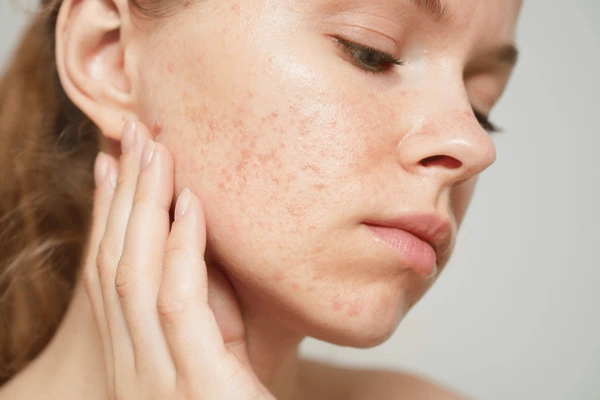
What Causes Acne? Understanding the Root of the Problem
Why Acne Is More Complex Than You Think
Acne is often treated as a surface-level issue, but in reality, it is a complex skin condition driven by multiple biological processes working simultaneously. This is why many people struggle with persistent breakouts despite trying various skincare products.
Most acne treatments fail because they target only one aspect of the problem. For example, some products focus on drying out the skin, while others attempt to exfoliate aggressively. However, acne is not caused by a single factor. It is the result of several internal and external mechanisms interacting at the same time.
To truly understand acne, it is necessary to look at how the skin functions at a deeper level.
The Skin System: A Functional Overview
The skin is a highly active organ responsible for protecting the body, regulating temperature, and maintaining hydration. Within the skin, sebaceous glands produce sebum, which plays a key role in maintaining the skin barrier.
At the same time, skin cells are constantly renewing themselves. Dead cells are shed and replaced with new ones. When this process is balanced, the skin remains clear and healthy.
However, when any of these systems become disrupted, acne begins to develop.
The 4 Core Causes of Acne
1. Sebum Overproduction (Oil Imbalance)
Sebum is essential for maintaining healthy skin, but excessive production is one of the main triggers of acne.
Hormonal fluctuations, particularly androgens, stimulate sebaceous glands to produce more oil. This excess sebum accumulates on the skin and mixes with dead skin cells, creating the perfect environment for clogged pores.
Contrary to popular belief, removing all oil from the skin is not the solution. Over-cleansing or using harsh products can strip the skin, causing it to produce even more oil as a defense mechanism.
This creates a cycle where the skin becomes both oily and dehydrated at the same time.
2. Abnormal Keratinization (Clogged Pores)
Under normal conditions, dead skin cells are shed evenly. In acne-prone skin, this process becomes irregular.
Instead of shedding properly, dead skin cells stick together and accumulate inside the pores. When combined with excess sebum, this leads to blockages.
These blockages form :
Blackheads
Whiteheads
Closed comedones
Once the pore is blocked, it becomes highly susceptible to bacterial growth.
3. Bacterial Activity
The skin naturally contains bacteria, including Cutibacterium acnes. This bacterium is not harmful under normal conditions, but when pores are clogged, it begins to multiply rapidly.
As bacteria break down sebum, they produce substances that trigger inflammation. This leads to redness, swelling, and painful acne lesions.
Controlling bacterial activity is important, but it must be done without damaging the skin barrier.
4. Inflammation
Inflammation is the final stage of acne development. It is what transforms a clogged pore into a visible breakout.
Inflammation occurs when the immune system reacts to bacterial growth and blocked pores. This response causes redness, swelling, and discomfort.
Chronic inflammation can also lead to long-term skin damage, including post-inflammatory hyperpigmentation and scarring.
The Role of Hormones in Acne Formation
Hormones play a central role in acne development. Androgens, in particular, increase sebum production by stimulating sebaceous glands.
During puberty, hormonal changes lead to increased oil production, which is why acne is so common in teenagers. However, hormonal fluctuations continue into adulthood, especially in women.
Hormonal acne is often linked to:
Menstrual cycles
Stress
Hormonal imbalances
Lifestyle factors
This type of acne typically appears around the jawline and chin and tends to be deeper and more persistent.
Why Acne Is a Cycle (And Not a One-Time Problem)
Acne is not a one-time event. It is a continuous cycle driven by the interaction of oil production, pore blockage, bacteria, and inflammation.
If one factor is treated but others are ignored, acne will continue to return.
For example:
Removing oil without addressing inflammation leads to irritation
Killing bacteria without unclogging pores leads to recurrence
Exfoliating without supporting the barrier leads to sensitivity
This is why a balanced approach is essential.
Common Acne Triggers You Might Be Ignoring
Many external factors can worsen acne:
Using comedogenic products
Over-exfoliating the skin
Skipping moisturizer
Not using sunscreen
Stress and lack of sleep
Poor skincare consistency
These triggers disrupt the skin’s natural balance and make it more prone to breakouts.
Why Over-Treating Acne Makes It Worse
One of the biggest mistakes in acne treatment is overuse of active ingredients.
Using multiple acids, retinoids, and treatments at the same time can damage the skin barrier. When the barrier is weakened, the skin becomes more reactive and inflamed.
This leads to:
Increased breakouts
Redness
Sensitivity
Slower healing
Effective acne treatment is not about doing more—it is about doing the right things consistently.
The Importance of a Balanced Routine
To control acne effectively, the skincare routine must support all four core mechanisms:
Regulate sebum production
Keep pores clear
Control bacterial growth
Reduce inflammation
A gentle cleanser like Maruderm Salicylic Acid Face Cleansing Gel helps remove excess oil and impurities without disrupting the skin’s balance.
Hydration is equally important.
Maruderm Hyaluronic Acid Moisturizing Cream helps maintain moisture levels and supports the skin barrier.
Daily protection is critical.
Maruderm SPF 50+ Vitamin C Sunscreen prevents inflammation and post-acne pigmentation caused by UV exposure.
Understanding Acne Is the First Step to Clear Skin
Acne cannot be treated effectively without understanding its causes. It is not simply a matter of hygiene or using stronger products.
It is a biological process that requires a strategic and consistent approach.
FAQ
1. What is the main cause of acne?
A combination of excess oil, clogged pores, bacteria, and inflammation.
2. Does oily skin always cause acne?
Not always, but excess oil increases the risk.
3. Can dry skin have acne?
Yes, especially if the barrier is damaged.
4. Are bacteria the main cause of acne?
They are one factor, but not the only cause.
5. Does washing your face more help acne?
Over-washing can worsen it.
6. Can hormones cause acne?
Yes, especially androgens.
7. What are clogged pores?
Pores blocked by oil and dead skin.
8. Is inflammation necessary for acne?
Yes, it makes acne visible.
9. Can stress cause acne?
Yes, through hormonal pathways.
10. Why does acne keep coming back?
Because underlying causes are not fully addressed.
Hormonal Acne vs Regular Acne: How to Tell the Difference
Understanding the difference between hormonal acne and regular acne is essential for choosing the right treatment approach. Many people treat all acne the same way, which often leads to ineffective results.
Hormonal Acne
Hormonal acne is primarily driven by internal fluctuations, especially androgens. These hormones increase sebum production, which leads to deeper and more persistent breakouts.
Key characteristics:
Appears mostly on the jawline, chin, and lower cheeks
Often painful and cystic
Follows a cyclical pattern (e.g., before menstruation)
Slower to heal
Hormonal acne is not just a surface issue. It is influenced by internal factors such as stress, diet, and hormonal imbalance.
Regular Acne
Regular acne is more closely linked to external and surface-level factors.
Key characteristics:
Appears on the forehead, nose, and cheeks (T-zone)
Includes blackheads, whiteheads, and small pimples
Often caused by clogged pores and excess oil
Responds more quickly to topical treatments
Why This Distinction Matters
Treating hormonal acne with only surface-level products will not fully resolve the issue. Similarly, using aggressive treatments for mild acne can damage the skin barrier.
A proper routine must consider:
Acne type
Skin sensitivity
Underlying triggers
Why Your Acne Keeps Coming Back
One of the most frustrating aspects of acne is recurrence. Many people experience temporary improvement, only for breakouts to return.
This happens because the root causes are not fully addressed.
1. Inconsistent Skincare Routine
Using products irregularly prevents the skin from stabilizing. Acne treatment requires consistency over time.
2. Overuse of Active Ingredients
Using too many acids or treatments at once weakens the skin barrier. This leads to irritation, which can trigger more acne.
3. Ignoring Hydration
Skipping moisturizer is a common mistake. When the skin is dehydrated, it compensates by producing more oil, leading to clogged pores.
Using a barrier-supporting moisturizer like Maruderm Hyaluronic Acid Moisturizing Cream helps maintain balance and reduce this cycle.
4. Lack of Sun Protection
UV exposure increases inflammation and worsens post-acne marks. Without protection, the skin struggles to heal properly.
Daily use of Maruderm SPF 50+ Vitamin C Sunscreen helps prevent pigmentation and supports overall skin recovery.
5. Using the Wrong Products
Heavy or comedogenic formulations can clog pores and worsen acne. Choosing products suitable for acne-prone skin is critical.
Closed Comedones: Causes, Treatment, and Prevention
Closed comedones are small, skin-colored bumps that form under the surface. They are often mistaken for texture or irritation but are actually a type of acne.
What Causes Closed Comedones?
Excess sebum production
Dead skin cell buildup
Poor exfoliation
Use of pore-clogging products
Unlike inflamed acne, closed comedones are not red or painful, but they can persist for long periods if not treated properly.
How to Treat Closed Comedones
Treatment focuses on keeping pores clear and regulating oil production.
Key strategies:
Gentle exfoliation
Consistent cleansing
Avoiding heavy products
Using a cleanser like Maruderm Salicylic Acid Face Cleansing Gel helps dissolve oil buildup and maintain pore clarity.
How to Prevent Them
Maintain a consistent routine
Avoid over-layering products
Use non-comedogenic formulas
Support the skin barrier
Adult Acne: Why It Happens and How to Treat It
Acne is no longer limited to adolescence. Adult acne is increasingly common and often more difficult to manage.
Causes of Adult Acne
Hormonal fluctuations
Chronic stress
Lifestyle habits
Skincare mistakes
Environmental exposure
Adult skin tends to be more sensitive, which makes aggressive treatments less suitable.
How Adult Acne Is Different
Breakouts are deeper and more inflamed
Skin is more prone to dryness and irritation
Healing process is slower
Risk of pigmentation is higher
Treatment Approach
The key to treating adult acne is balance.
Avoid harsh treatments
Focus on barrier repair
Use targeted active ingredients
Maintain hydration
A combination of gentle cleansing, targeted treatment, and proper hydration provides the most effective results.
Salicylic Acid vs Azelaic Acid: Which One Is Better for Acne?
Both ingredients are widely used in acne treatment, but they work differently.
Salicylic Acid
Oil-soluble
Penetrates deep into pores
Breaks down sebum and debris
Ideal for blackheads and oily skin
Azelaic Acid
Reduces inflammation
Targets acne-causing bacteria
Helps with pigmentation
Suitable for sensitive skin
Which One Should You Use?
The most effective strategy is not choosing one over the other, but combining them correctly.
For example:
Cleanse with Maruderm Salicylic Acid Face Cleansing Gel to clear pores
Use azelaic acid to reduce inflammation and bacteria
This approach addresses multiple acne pathways simultaneously.
Best Skincare Routine for Acne-Prone Skin (Step-by-Step Guide)
A proper routine should be simple, consistent, and focused on balance.
Step 1: Cleanse
Cleansing removes excess oil, dirt, and impurities that contribute to clogged pores.
Use Maruderm Salicylic Acid Face Cleansing Gel to maintain clean and balanced skin without over-drying.
Step 2: Treat
Apply targeted treatment such as azelaic acid to reduce inflammation, control bacteria, and support skin clarity.
Step 3: Moisturize
Hydration is essential for maintaining the skin barrier.
Use Maruderm Hyaluronic Acid Moisturizing Cream to keep the skin balanced and prevent dehydration.
Step 4: Protect
Sun protection is critical for preventing inflammation and post-acne marks.
Use Maruderm SPF 50+ Vitamin C Sunscreen daily.
Building a Sustainable Routine
The most effective acne routines are not complicated. They focus on consistency and long-term balance rather than aggressive short-term results.
A well-structured routine supports the skin’s natural functions instead of disrupting them.
FAQ
1. How can I tell if my acne is hormonal?
It usually appears on the jawline and follows a cycle.
2. Why does my acne return after treatment?
Because the root causes are not fully addressed.
3. What are closed comedones?
Clogged pores that appear as small bumps under the skin.
4. Is adult acne different from teenage acne?
Yes, it is often more persistent and sensitive.
5. Should I use salicylic acid every day?
It depends on your skin tolerance.
6. Can azelaic acid replace salicylic acid?
It can complement it but not fully replace it.
7. Is moisturizer necessary for acne?
Yes, hydration is essential.
8. Can sunscreen prevent acne?
It helps prevent inflammation and pigmentation.
9. What causes clogged pores?
Oil and dead skin buildup.
10. How long does acne treatment take?
Usually several weeks of consistent use.
Why Acne Is a Long-Term Condition (Not a Temporary Problem)
One of the most important truths about acne is that it is not a one-time issue that can be solved with a single product. Acne is a condition influenced by ongoing biological processes, which means it requires continuous management.
Many people expect quick results and switch products frequently when they don’t see immediate improvement. This disrupts the skin’s balance and often makes acne worse over time.
The key to controlling acne is understanding that:
Skin needs time to adapt
Biological processes do not change overnight
Consistency is more important than intensity
A well-structured routine maintained over time is far more effective than aggressive short-term treatments.
The Acne Cycle Explained (Why Breakouts Repeat)
Acne follows a repeating cycle driven by four interconnected stages:
Excess sebum production
Pore blockage
Bacterial growth
Inflammation
Even if one stage is treated, the others can continue triggering new breakouts. This is why acne often returns after temporary improvement.
Breaking this cycle requires a routine that targets all four stages simultaneously.
How to Stop Acne Permanently (Realistic Approach)
While acne cannot always be permanently eliminated, it can be controlled to the point where breakouts become minimal and manageable.
1. Regulate Sebum Production
Avoid over-drying the skin. Stripping natural oils leads to rebound oil production.
Instead:
Use gentle cleansing
Maintain hydration
Avoid harsh alcohol-based products
2. Keep Pores Clear
Consistent cleansing and mild exfoliation prevent buildup inside pores.
Using Maruderm Salicylic Acid Face Cleansing Gel helps dissolve excess oil and supports pore clarity without damaging the skin.
3. Control Inflammation
Inflammation is what turns clogged pores into visible acne.
To reduce inflammation:
Avoid over-exfoliation
Use calming ingredients
Maintain a balanced routine
4. Support the Skin Barrier
A strong skin barrier is essential for preventing acne.
When the barrier is damaged:
Skin becomes reactive
Healing slows down
Breakouts increase
Using Maruderm Hyaluronic Acid Moisturizing Cream helps maintain hydration and supports barrier repair.
5. Protect the Skin Daily
UV exposure increases inflammation and worsens post-acne marks.
Daily use of Maruderm SPF 50+ Vitamin C Sunscreen:
Reduces redness
Prevents pigmentation
Supports healing
The Role of Lifestyle in Acne
Skincare alone is not always enough. Internal and environmental factors also play a significant role.
Diet
Certain foods may influence acne:
High glycemic index foods
Excess sugar
Dairy (for some individuals)
A balanced diet supports overall skin health.
Stress
Stress increases cortisol levels, which can trigger oil production and inflammation.
Managing stress is essential for long-term acne control.
Sleep
Poor sleep affects hormone regulation and skin repair processes.
Consistent sleep improves skin recovery and reduces breakouts.
Why Simple Routines Work Better
Many people believe that more products mean better results. In reality, complex routines often lead to irritation and inconsistency.
A simple routine:
Is easier to maintain
Reduces risk of irritation
Delivers more consistent results
An effective acne routine does not need to be complicated. It needs to be balanced and consistent.
The Most Common Acne Mistakes
Using too many active ingredients
Skipping moisturizer
Not using sunscreen
Changing products too frequently
Over-cleansing the skin
Avoiding these mistakes significantly improves results.
How to Build a Long-Term Acne Strategy
A successful acne strategy focuses on stability rather than quick fixes.
Step 1: Cleanse Properly
Use a gentle but effective cleanser like
Maruderm Salicylic Acid Face Cleansing Gel
to remove impurities and excess oil.
Step 2: Use Targeted Treatment
Apply ingredients like azelaic acid to reduce inflammation and bacterial activity.
Step 3: Maintain Hydration
Use Maruderm Hyaluronic Acid Moisturizing Cream
to keep the skin balanced and prevent dehydration.
Step 4: Protect Daily
Use Maruderm SPF 50+ Vitamin C Sunscreen
to prevent damage and support healing.
What to Expect From a Proper Acne Routine
With consistent use:
Breakouts become less frequent
Skin becomes less oily
Redness decreases
Texture improves
Post-acne marks fade over time
Results do not happen overnight, but they become noticeable with regular care.
Final Perspective: Treating Acne the Right Way
Acne is not a problem that requires aggressive treatment. It requires understanding, balance, and consistency.
The most effective approach is one that:
Supports the skin barrier
Targets multiple acne causes
Avoids unnecessary irritation
Azelaic acid, combined with proper cleansing, hydration, and sun protection, forms the foundation of a modern acne treatment strategy.
FAQ
1. Can acne be completely cured?
It can be controlled long-term, but may not disappear permanently.
2. Why does my acne get worse before improving?
Skin may need time to adjust to new routines.
3. Is less skincare better for acne?
A simple, consistent routine is more effective than a complex one.
4. Can hydration reduce acne?
Yes, it helps balance oil production.
5. Does sunscreen help acne?
Yes, it prevents inflammation and pigmentation.
6. Can stress alone cause acne?
It contributes but is not the only factor.
7. How long should I follow a routine?
At least 4–8 weeks for visible results.
8. Can I switch products often?
Frequent changes disrupt skin balance.
9. Is oily skin always acne-prone?
Not always, but it increases the risk.
10. What is the most important step?
Consistency in routine.