
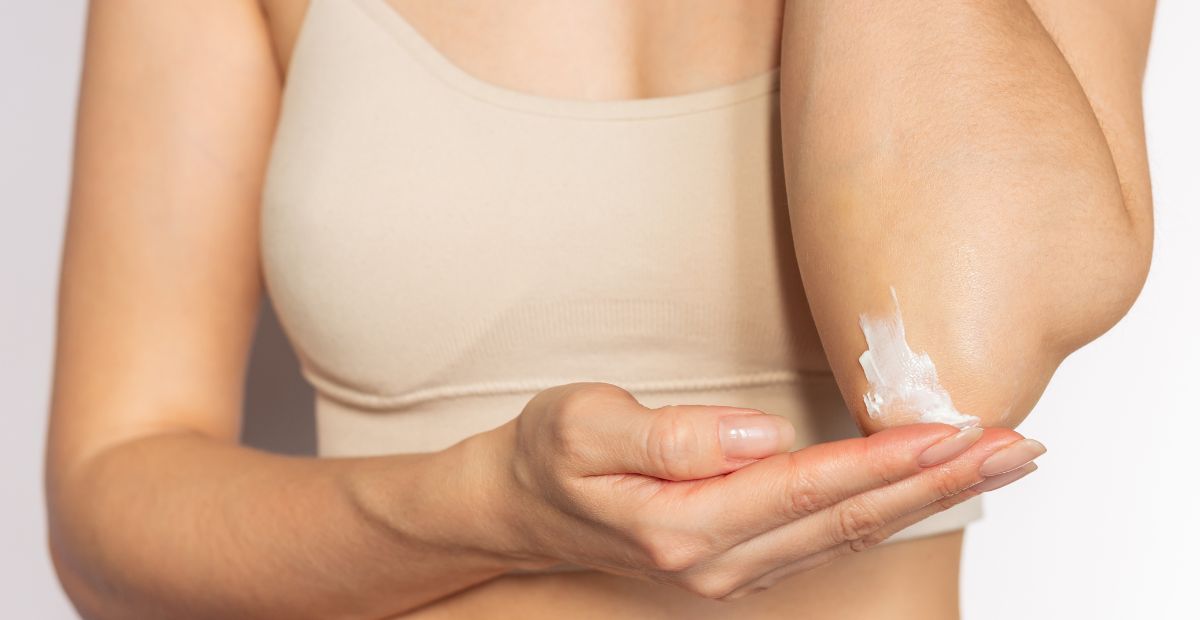
Why Dry and Rough Skin Needs More Than Basic Moisturizer
Dry and rough body skin is one of the most common skincare concerns, but it is often misunderstood. Many people apply lotion every day and still feel like their skin remains rough, flaky, tight, or uneven. This happens because dry body skin is not always caused only by a lack of moisture. In many cases, it is also caused by dead skin buildup, poor water retention, and a weakened skin barrier.
A basic lotion may temporarily soften the surface, but if the skin has rough patches, hardened texture, keratin buildup, or visible dryness, it may need an ingredient that does more than sit on top of the skin.
This is where urea becomes important.
Urea is one of the most effective ingredients for dry and rough skin because it works in two ways. It helps hydrate the skin by attracting and holding water, and it helps soften thickened or rough surface buildup. A dermatology review describes urea as one of the most common moisturizers and keratolytic agents used to improve skin barrier function and support dry, scaly skin conditions.
This combination makes urea especially useful for body areas that often become rough, such as:
Elbows
Knees
Heels
Feet
Legs
Arms
Thighs
Hands
Keratosis pilaris-prone areas
Unlike some moisturizing ingredients that only focus on hydration, urea supports both moisture and texture. This is why it is often used in body creams designed for dry, rough, and uneven skin.
What Is Urea in Skincare?
Urea is a compound naturally found in the skin as part of the skin’s natural moisturizing factor. The natural moisturizing factor helps keep the outer layer of the skin hydrated and flexible.
In skincare products, urea is usually created synthetically for stability, purity, and controlled formulation. It is not taken from urine, even though the name often causes confusion.
Urea is used in skincare because it helps improve moisture balance and soften rough skin. It is especially valuable when the skin feels dry, thick, scaly, or uncomfortable.
In simple terms:
Urea hydrates the skin and helps smooth rough texture.
This makes it different from a basic moisturizer. A standard body lotion may only help reduce dryness temporarily. Urea can also help improve the feel of roughness by supporting the breakdown of hardened dead skin buildup on the surface.
That is why urea is frequently used in products for rough body texture, dry patches, cracked heels, flaky legs, and bumpy skin.
How Urea Works on the Skin
Urea works through two main mechanisms: hydration and keratolytic softening.
These two actions explain why it is so effective for rough and dry body skin.
1. Urea Acts as a Humectant
A humectant is an ingredient that attracts water and helps hold it in the skin.
When the outer layer of the skin lacks water, it becomes dry, tight, flaky, and rough. Fine cracks may appear, and the skin may feel uncomfortable after showering.
Urea helps improve this by binding water in the skin’s outer layers.
This makes the skin feel:
Softer
More flexible
Less tight
Less flaky
More comfortable
Smoother to the touch
This hydration effect is one of the reasons urea is especially useful for body skin. Body skin often becomes neglected compared to facial skin, and areas like the legs, elbows, and knees can become dry very quickly.
2. Urea Helps Soften Rough Dead Skin Buildup
At higher skincare concentrations, urea also helps soften the bonds between hardened dead skin cells. This is known as a keratolytic effect.
This does not mean urea works like a harsh scrub. It does not physically scrape the skin. Instead, it helps soften rough buildup so the skin feels smoother over time.
This is important for rough areas where dead skin and keratin accumulate, such as:
Elbows
Knees
Heels
Rough arms
Bumpy thighs
Dry legs
Keratosis pilaris-prone skin
A 10% urea formula is commonly used for dry and rough skin because it offers both moisture support and smoothing benefits. Maruderm describes Maruderm 10% Urea Intense Moisturizing Body Cream as a targeted body moisturizer designed to deliver intensive hydration while helping improve rough and dry skin texture, with a rich yet absorbent formula that supports long-lasting moisture retention.
This makes urea especially useful when skin feels not only dry, but also thick, uneven, or rough.
Why Urea Is So Effective for Body Skin
Body skin is different from facial skin. It is often thicker, exposed to friction, covered by clothing, and less frequently moisturized. It also tends to receive less consistent care.
This is why body skin often develops:
Roughness
Flakiness
Dry patches
Bumpy texture
Dull appearance
Tightness after showering
Cracked areas
Uneven feel
Urea is effective for body skin because it addresses two of the biggest causes of roughness: lack of water and excess buildup.
If you only moisturize without softening rough buildup, the skin may still feel uneven.
If you only exfoliate without moisturizing, the skin may become dry and irritated.
Urea helps bridge both needs.
It hydrates and smooths at the same time.
Urea for Dry Skin
Dry skin happens when the skin lacks enough water, oil, or barrier support. It can feel tight, flaky, itchy, dull, or uncomfortable.
Dry body skin is common after:
Hot showers
Cold weather
Harsh soaps
Low humidity
Frequent shaving
Over-exfoliation
Not moisturizing after bathing
Aging
Barrier weakness
Urea helps dry skin because it improves water retention. When used consistently, it helps the skin feel softer and less tight.
A urea body cream is especially useful after showering because the skin is slightly damp and more receptive to moisturizing ingredients. Applying body cream after bathing helps trap hydration and support smoother skin.
For dry body areas, Maruderm 10% Urea Intense Moisturizing Body Cream can be used as a daily body care step to soften and moisturize rough, dry skin.
Urea for Rough Skin
Rough skin often happens when dead skin cells do not shed smoothly. Instead, they accumulate on the surface, creating uneven texture.
Rough skin may feel:
Grainy
Thick
Dry
Bumpy
Flaky
Uneven
Sandpaper-like
This type of texture is common on the arms, legs, elbows, knees, and feet.
Urea helps rough skin because it softens compacted dead skin buildup while adding moisture. This makes the skin feel smoother over time.
It is especially useful for people who feel like normal lotion is not enough.
If your skin feels moisturized for a short time but becomes rough again quickly, urea may be a better option because it targets both dryness and surface texture.
Urea for Keratosis Pilaris-Prone Skin
Keratosis pilaris is a common body skin concern that appears as small rough bumps, usually on the upper arms, thighs, or buttocks. It is often called “chicken skin.”
Keratosis pilaris happens when keratin builds up around hair follicles. The result is rough bumps that may feel dry or textured.
Urea can be useful for keratosis pilaris-prone skin because it helps soften rough keratin buildup and support moisture.
It does not “cure” keratosis pilaris permanently, but it can help improve the look and feel of bumpy, rough skin when used consistently.
A good keratosis pilaris body routine often includes:
Gentle cleansing
Mild exfoliation if tolerated
Urea-based moisturizing
Consistency
Avoiding harsh scrubbing
Scrubbing keratosis pilaris aggressively usually makes the skin more irritated. Urea is often a better approach because it softens roughness without requiring physical friction.
Urea for Rough Elbows and Knees
Elbows and knees often become rough because the skin in these areas is thicker and exposed to frequent friction. Clothing, movement, leaning, kneeling, and dryness can all contribute to rough texture.
These areas usually need a richer and more targeted moisturizer.
Urea is ideal for elbows and knees because it helps soften thickened skin while improving hydration.
For best results:
Apply after showering
Use daily
Massage gently
Avoid scrubbing aggressively
Reapply if the area feels dry
Over time, the skin can feel softer and smoother.
Urea for Dry Legs
Dry legs are extremely common, especially after shaving, hot showers, or cold weather. The skin may feel flaky, tight, itchy, or rough.
Urea can help dry legs by improving moisture retention and reducing flaky texture.
A good routine for dry legs should include:
Gentle body cleansing
Avoiding very hot water
Applying urea body cream after showering
Using body cream consistently
Avoiding over-exfoliation
If the legs feel dry even after lotion, the issue may be that the moisturizer is too lightweight or not addressing rough buildup. A urea cream can be more effective because it supports both hydration and smoothing.
Urea for Feet and Heels
Feet and heels often need stronger moisturization because the skin is thicker and more prone to dryness. Cracked heels may occur when dryness becomes severe.
Urea is commonly used in foot creams because it helps soften thick, rough skin.
For rough feet:
Apply urea cream at night
Focus on heels and dry patches
Use consistently
Wear cotton socks after application if desired
Avoid cutting or harshly scraping thickened skin
If cracks are painful, bleeding, or severe, professional care may be needed.
Urea vs Basic Body Lotion
A basic body lotion usually focuses on moisturizing the skin. It may make the skin feel softer temporarily, but it may not be enough for thick, rough, flaky, or bumpy areas.
Urea is different because it does more than moisturize.
It helps:
Attract water
Improve moisture retention
Soften rough buildup
Smooth texture
Reduce flaky feel
Improve comfort
This makes urea a better choice when the skin feels rough rather than simply dry.
A basic lotion may be enough for normal skin. But if your skin feels rough, bumpy, or scaly, urea may be more effective.
Urea vs Exfoliating Acids
Exfoliating acids such as glycolic acid, lactic acid, and salicylic acid are used to remove dead skin cells and smooth texture. They can be helpful, but they may irritate dry or sensitive body skin if overused.
Urea is often gentler because it combines hydration with smoothing support.
That does not mean exfoliating acids are bad. They can be useful in body care routines when used correctly.
For example, Maruderm AHA Shower Gel is officially described as a renewing body cleanser formulated with AHA acids and fruit extracts to gently exfoliate, cleanse, and improve skin texture.
However, if the skin is very dry or sensitive, exfoliation should be balanced with deep moisturization. This is where a urea body cream becomes important.
A good routine may use an AHA body cleanser a few times per week and a urea body cream daily.
Urea vs Hyaluronic Acid
Urea and hyaluronic acid are both hydrating ingredients, but they work differently.
Hyaluronic acid mainly attracts and holds water, helping the skin look plump and hydrated.
Urea attracts water too, but it also helps soften rough dead skin buildup.
The easiest way to remember:
Hyaluronic acid hydrates. Urea hydrates and smooths roughness.
For general dryness, hyaluronic acid can be very helpful. For rough, thick, flaky, or bumpy skin, urea is often more targeted.
Maruderm Hyaluronic Acid Moisturizing Body Cream is designed to hydrate, soften, and support the skin barrier with hyaluronic acid, ceramide NP, and natural oils, making it a good option for daily hydration and skin comfort.
For very rough areas, urea may be the more focused choice. For daily hydration and softness, hyaluronic acid body care can also be useful.
Who Should Use Urea in Skincare?
Urea is especially useful for people with:
Dry body skin
Rough elbows
Rough knees
Dry legs
Flaky skin
Thickened skin
Keratosis pilaris-prone bumps
Dry feet
Cracked heels
Skin that feels rough after lotion
Dull body texture
Dehydrated body skin
It is also useful for people who want smoother skin on arms and legs without harsh scrubbing.
Urea is best for body care because many roughness concerns appear on the body rather than the face. Facial skin can be more sensitive, so urea products should be chosen carefully if used on the face.
Who Should Be Careful with Urea?
Urea is effective, but it may not be ideal for every situation.
Be careful if your skin is:
Broken
Bleeding
Severely irritated
Recently shaved and stinging
Sunburned
Very sensitive
Actively inflamed
Experiencing eczema flare-ups
Reacting to many products
Urea can sometimes sting on cracked or compromised skin, especially at higher concentrations.
If your skin is severely irritated, focus first on calming and barrier repair. Once the skin is more stable, urea can be introduced gradually.
Patch testing is always a good idea if your skin is sensitive.
How to Start Using Urea Body Cream
Start with a simple routine.
Do not combine too many exfoliating products at the same time.
A beginner body routine can look like this:
Morning or Evening Body Routine
Cleanse gently
Pat skin until slightly damp
Apply Maruderm 10% Urea Intense Moisturizing Body Cream
Focus on rough areas such as elbows, knees, legs, arms, and heels
Apply urea body cream consistently. Daily use is usually more effective than occasional heavy application.
If the skin feels sensitive, start every other day and increase gradually.
Common Mistakes When Using Urea
1. Applying It Only Once in a While
Urea works best with consistency. Rough skin needs regular care.
2. Using It on Broken Skin
Urea may sting on cuts, cracks, or irritated areas.
3. Combining It with Too Much Exfoliation
If you use AHA shower gel, scrubs, and urea all at once, the skin may become irritated.
4. Expecting Overnight Results
Dryness may improve quickly, but rough texture often takes several weeks.
5. Not Applying After Showering
Applying body cream after showering helps lock in moisture.
How Long Does Urea Take to Work?
Urea can make the skin feel softer quickly, but texture improvement takes time.
A realistic timeline:
After first use: Skin may feel softer and more moisturized
Week 1–2: Dryness and tightness may improve
Week 3–4: Rough texture may feel smoother
Week 4–8: Bumpy or thickened areas may look more refined
Long-term: Skin feels more comfortable when maintained consistently
Results depend on severity, routine consistency, shower habits, climate, and whether the skin is being irritated by harsh products.
FAQ (Part 1)
1. What is urea in skincare?
Urea is a moisturizing and smoothing ingredient that helps attract water into the skin and soften rough dead skin buildup.
2. Is urea good for dry skin?
Yes, urea is very effective for dry skin because it helps improve hydration and moisture retention.
3. Is urea good for rough skin?
Yes, urea helps soften rough texture and improve the feel of dry, thickened, or flaky skin.
4. Can urea help keratosis pilaris?
Urea can help improve the rough, bumpy feel of keratosis pilaris-prone skin by softening keratin buildup and supporting hydration.
5. Can I use urea body cream every day?
Yes, many people can use urea body cream daily, especially on dry and rough body areas.
6. Does urea exfoliate the skin?
Urea can help soften and loosen rough dead skin buildup, especially at higher concentrations.
7. Is 10% urea good for body skin?
Yes, 10% urea is commonly used for dry, rough body skin because it provides hydration and smoothing support.
8. Can urea sting?
It can sting if applied to broken, cracked, irritated, or freshly shaved skin.
9. Should I use urea before or after showering?
Use urea body cream after showering, ideally when the skin is slightly damp.
10. What is the best Maruderm product for rough body skin?
Maruderm 10% Urea Intense Moisturizing Body Cream is the most targeted option for dry, rough, and textured body skin.
How to Use Urea in a Body Care Routine
Using urea correctly is just as important as choosing the right product. Urea can be highly effective for dry, rough, flaky, and bumpy skin, but it works best when it is part of a consistent body care routine.
Many people apply body cream only when the skin already feels extremely dry. This usually gives temporary relief, but it does not fully improve the skin’s texture over time. Rough body skin needs regular care because dryness, dead skin buildup, friction, and moisture loss can return quickly.
A good urea routine should focus on three goals:
Cleansing without stripping
Smoothing rough texture
Locking in hydration
Urea works best when applied to clean, slightly damp skin. This helps the ingredient attract and hold moisture more effectively. If the skin is completely dry, the cream can still help, but applying it after showering usually gives better results.
The routine does not need to be complicated. In fact, a simple routine is often more effective than using too many scrubs, acids, and creams at the same time.
Best Body Care Routine with Urea
A urea body routine should be simple enough to repeat daily. Consistency is the key to improving rough skin.
Step 1: Cleanse Gently
Start with a gentle body cleanser. The goal is to remove sweat, oil, dirt, sunscreen, and daily buildup without stripping the skin.
Harsh soaps can make dry body skin worse. They may remove too much natural oil from the skin surface, leaving the skin tight, itchy, or flaky after showering.
If your skin already feels rough or dry, avoid very hot water. Hot showers can weaken the skin barrier and increase moisture loss.
Better shower habits include:
Use lukewarm water
Avoid long, hot showers
Do not scrub aggressively
Choose body cleansers that do not leave the skin feeling tight
Pat the skin dry instead of rubbing harshly
Cleansing should prepare the skin for moisturizing, not make it feel dry before the routine even begins.
Step 2: Exfoliate Only When Needed
Rough skin often needs exfoliation, but exfoliation must be controlled. Many people with dry and rough skin scrub too aggressively because they want instant smoothness. This can damage the skin barrier and make the skin feel even rougher later.
Urea already has smoothing properties, especially in body creams designed for rough skin. This means you do not always need strong exfoliation every day.
If your skin is very rough, dull, or bumpy, you may use gentle exfoliation a few times per week.
For body texture concerns, Maruderm AHA Shower Gel can be used as a body cleansing step when the routine needs mild exfoliating support. It fits well for rough texture, dull body skin, and areas that need smoother-looking skin.
However, do not combine too many exfoliating steps at once. If you use an exfoliating shower gel, avoid using harsh scrubs on the same day. The goal is gradual smoothing, not irritation.
Step 3: Apply Urea Body Cream on Slightly Damp Skin
After showering, pat the skin gently with a towel. Do not fully dry the skin until it feels tight. Leave it slightly damp, then apply Maruderm 10% Urea Intense Moisturizing Body Cream.
This step helps lock in moisture and allows urea to work more effectively.
Focus on areas that tend to become rough:
Elbows
Knees
Legs
Arms
Thighs
Heels
Feet
Rough patches
Keratosis pilaris-prone areas
Massage the cream in gently. Do not rub aggressively. Rough skin needs consistent softening, not friction.
Step 4: Use It Daily for Best Results
Urea works best with daily use. If you apply it only once or twice per week, you may feel temporary softness, but roughness can return quickly.
For dry body skin, daily application is usually the best approach.
For sensitive skin, start every other day and increase gradually if the skin feels comfortable.
A good routine is:
Daily use for dry body skin
Every other day for sensitive skin
Nightly use for rough elbows, knees, and heels
Consistent use after showering for best texture improvement
The more consistent you are, the better the skin can maintain softness and smoothness.
Morning vs Evening: When Should You Use Urea?
Urea body cream can be used morning or evening, but the best time depends on your lifestyle and skin needs.
Using Urea in the Morning
Morning use is helpful if your skin feels dry throughout the day.
Apply urea body cream after showering, then allow it to absorb before dressing.
Morning use is especially useful for:
Dry legs
Rough arms
Flaky skin
Skin that feels tight after bathing
Winter dryness
Daily body hydration
If you apply body cream in the morning, give it a few minutes to settle before putting on tight clothing.
Using Urea at Night
Night use is ideal for rougher areas such as elbows, knees, feet, and heels.
At night, the skin has more time to absorb the cream without friction from clothing or daily movement.
Night use is especially useful for:
Cracked-looking heels
Rough knees
Thickened elbows
Very dry legs
Keratosis pilaris-prone bumps
Skin that needs deeper comfort
For feet, apply urea body cream before bed and wear cotton socks if desired. This helps keep the product in place and supports overnight softening.
How Often Should You Use Urea Body Cream?
Most dry and rough body skin benefits from daily use.
However, frequency depends on skin condition.
For Mild Dryness
Use urea body cream once daily after showering.
This helps maintain softness and prevent dryness from becoming worse.
For Rough Skin
Use once daily, focusing on rough areas.
If elbows, knees, or heels are very rough, you may apply a second time in the evening.
For Keratosis Pilaris-Prone Skin
Use consistently every day or every other day depending on tolerance.
Keratosis pilaris-prone skin needs long-term maintenance. If you stop moisturizing completely, rough bumps may return.
For Sensitive Skin
Start two to three times per week.
If there is no stinging or irritation, increase slowly.
Sensitive skin should avoid using urea immediately after shaving or on irritated areas.
Can You Use Urea Every Day?
Yes, many people can use urea body cream every day, especially on dry and rough body areas. Daily use is often the best way to maintain smoothness.
However, the skin should feel comfortable. If the product causes stinging, burning, or irritation, reduce frequency.
Do not apply urea to broken, bleeding, or severely irritated skin unless advised by a healthcare professional.
For most people, daily use on intact dry body skin is well tolerated and effective.
Can You Use Urea After Shaving?
You can use urea after shaving, but timing matters.
Freshly shaved skin may be more sensitive because shaving removes hair and can slightly disturb the skin surface. If urea is applied immediately after shaving, some people may feel stinging.
If your skin is sensitive after shaving, wait several hours before applying urea body cream, or apply it the next day.
To reduce irritation:
Shave with a gentle shaving product
Avoid shaving over irritated or bumpy skin
Use lukewarm water
Do not scrub immediately after shaving
Apply a soothing moisturizer if needed
Use urea later when the skin feels calm
If your skin tolerates urea well, you may be able to apply it after shaving without discomfort. But if stinging occurs, reduce frequency around shaving days.
Can You Use Urea with AHA or BHA?
Yes, urea can be used in routines that include AHA or BHA, but you should be careful not to over-exfoliate.
AHA ingredients help exfoliate the skin surface. BHA ingredients help clear oil and buildup inside pores. Urea hydrates and softens rough texture.
They can work well together when balanced properly.
For example:
Use Maruderm AHA Shower Gel two to three times per week
Use Maruderm 10% Urea Intense Moisturizing Body Cream daily or after showering
Avoid using strong scrubs on the same days
Reduce frequency if the skin becomes irritated
The best body care routine is controlled. You do not need to exfoliate aggressively every day to get smooth skin.
If the skin becomes red, itchy, tight, or sensitive, pause exfoliation and continue moisturizing.
Can You Use Urea with Body Scrubs?
Urea can be used in the same overall routine as body scrubs, but not aggressively.
Body scrubs provide physical exfoliation. They remove surface buildup through friction. If used too often, they can irritate dry or rough skin.
Since urea already helps soften rough texture, body scrubs should be used carefully.
A balanced approach:
Body scrub once weekly if tolerated
Urea body cream after showering
Avoid scrubbing irritated areas
Do not scrub keratosis pilaris aggressively
Do not use scrub and strong exfoliating cleanser at the same time
If your skin feels sensitive, skip scrubs and rely on urea for smoother texture.
Can You Use Urea with Hyaluronic Acid Body Cream?
Yes, urea and hyaluronic acid body care can complement each other.
Urea hydrates and smooths rough texture.
Hyaluronic acid helps attract water and support a plumper, softer feel.
If your skin is extremely dry, you may use both in different ways:
Urea cream for rough areas
Hyaluronic acid body cream for general daily hydration
Maruderm Hyaluronic Acid Moisturizing Body Cream can be used for overall body hydration when the skin needs softness, comfort, and moisture support.
For rough elbows, knees, heels, or bumpy areas, Maruderm 10% Urea Intense Moisturizing Body Cream is the more targeted option.
This allows you to customize the routine instead of using one product everywhere.
Urea for Different Body Areas
Urea can be used on many dry and rough body areas, but each area may need a slightly different approach.
Urea for Arms
The upper arms are a common area for roughness and keratosis pilaris-prone bumps.
Use urea body cream daily after showering.
Avoid harsh scrubbing because it can make bumps look red or irritated.
If the arms feel rough and dry, consistency is more important than intensity.
Urea for Legs
Legs often become dry after shaving, hot showers, or cold weather.
Use urea body cream after showering while the skin is slightly damp.
If your legs feel sensitive after shaving, wait before applying urea.
Daily use helps reduce flaky texture and improves softness.
Urea for Elbows
Elbows often need more frequent application because the skin is thicker and exposed to friction.
Apply urea cream once or twice daily.
For best results, use it at night and allow it to absorb fully.
Urea for Knees
Knees are prone to roughness, dryness, and darker-looking texture because of friction and thicker skin.
Use urea cream daily.
Massage gently and avoid aggressive scrubbing.
Urea for Feet and Heels
Feet and heels often need the strongest routine because the skin is thicker.
Apply urea body cream at night, focusing on heels and dry patches.
For extra care, wear cotton socks after application.
If cracks are deep, painful, or bleeding, seek professional care.
Urea for Hands
Hands can become dry from washing, sanitizers, cold weather, and cleaning products.
Urea can help soften rough hands, but if the hands are cracked or irritated, it may sting.
Use carefully and avoid applying to open cracks.
Urea for Keratosis Pilaris-Prone Skin
Keratosis pilaris-prone skin needs consistency. Urea helps soften the rough buildup that contributes to the bumpy feel.
A good routine includes:
Gentle cleansing
Optional mild exfoliation
Daily urea body cream
Avoiding harsh scrubbing
Long-term maintenance
Keratosis pilaris usually does not disappear permanently, but the skin can feel much smoother with regular care.
Why Urea Works Better Than Scrubbing for Rough Skin
Many people try to scrub rough skin away. This can feel satisfying temporarily, but it often irritates the skin.
Scrubbing can cause:
Redness
Barrier damage
More dryness
Irritation
Roughness returning quickly
Bumps looking more inflamed
Urea is different because it softens rough buildup while supporting hydration. This makes it a better long-term option for many people with dry and textured skin.
Smooth skin does not come from forcing the skin. It comes from supporting the skin consistently.
How Long Should You Use Urea?
Urea can be used long-term as part of a body care routine.
For chronic dryness, roughness, or keratosis pilaris-prone skin, stopping completely may allow rough texture to return.
A good approach is:
Use daily during the treatment phase
Continue several times per week for maintenance
Increase frequency during winter or dryness
Reduce frequency if skin becomes sensitive
Body skin needs ongoing care, especially in rough areas.
What Results Should You Expect?
Urea can improve the feel of dry and rough skin, but results depend on consistency.
Expected results:
Skin feels softer after initial use
Dryness improves within the first few weeks
Rough areas become smoother gradually
Bumpy texture may look more refined over time
Skin feels more comfortable with continued use
Do not expect rough texture to disappear overnight. Urea works gradually.
The most important improvement is usually how the skin feels: softer, smoother, and less tight.
Why Your Skin Still Feels Dry After Lotion
If your skin still feels dry after regular lotion, several things may be happening.
1. The Lotion Is Too Lightweight
Some lotions are not enough for very dry or rough skin.
A richer body cream with urea may be more effective.
2. You Apply It Too Late After Showering
If you wait until the skin is completely dry, moisture may evaporate before you seal it in.
Apply body cream while the skin is slightly damp.
3. You Use Hot Water
Hot showers remove natural oils and increase dryness.
Use lukewarm water instead.
4. You Need Smoothing, Not Just Moisture
If dead skin buildup is causing roughness, basic lotion may not be enough.
Urea helps hydrate and smooth at the same time.
5. You Are Not Consistent
Dry body skin needs regular care. Occasional moisturizing may not be enough.
Best Routine for Dry and Rough Body Skin
A simple body routine can make a major difference.
Daily Routine
Shower with lukewarm water
Cleanse gently
Apply Maruderm 10% Urea Intense Moisturizing Body Cream while skin is slightly damp
Focus on rough areas
Weekly Routine
Use Maruderm AHA Shower Gel two to three times per week if your skin tolerates exfoliation
Continue urea body cream after showering
Avoid harsh scrubbing
Maintenance Routine
Use urea cream several times per week even after skin improves
Increase use during cold weather
Apply more often to elbows, knees, and heels
Signs Urea Is Working
Your urea routine is working if you notice:
Skin feels softer
Rough patches feel smoother
Flaking decreases
Tightness improves
Body skin feels more comfortable
Elbows and knees look less dry
Keratosis pilaris-prone bumps feel less rough
Legs feel smoother after consistent use
Texture improvement is gradual, so focus on how the skin feels week by week.
Signs You May Be Overdoing It
Urea is effective, but the full routine may become too strong if you combine it with too much exfoliation.
Signs of overuse include:
Stinging
Burning
Redness
Itching
Peeling
Increased dryness
Skin feeling raw
Roughness becoming more irritated
If this happens, reduce exfoliation first. Continue gentle moisturization if tolerated.
If urea itself stings, pause until the skin calms.
Common Mistakes When Using Urea Body Cream
1. Applying It to Broken Skin
Urea can sting on broken or cracked skin. Avoid open wounds.
2. Using Too Many Exfoliating Products
Urea plus AHA plus scrubs plus shaving can be too much.
3. Expecting Instant Smoothing
Rough skin takes time to soften.
4. Stopping Once Skin Improves
Rough skin often returns without maintenance.
5. Forgetting Rough Areas
Elbows, knees, heels, and upper arms need consistent application.
FAQ
1. How should I use urea body cream?
Apply it to clean, slightly damp skin after showering, focusing on dry and rough areas.
2. Can I use urea body cream every day?
Yes, daily use is suitable for many people with dry and rough body skin.
3. Should I use urea morning or night?
You can use it either morning or night. Night use is especially helpful for rough feet, elbows, and knees.
4. Can I use urea after shaving?
Yes, but if your skin stings after shaving, wait several hours or use it the next day.
5. Can I use urea with AHA shower gel?
Yes, but use exfoliating products carefully and avoid over-exfoliation.
6. Can I use urea with body scrub?
Yes, but body scrubs should be used rarely and gently. Urea already helps smooth rough texture.
7. Is urea good for keratosis pilaris?
Yes, urea can help soften rough bumps and improve the feel of keratosis pilaris-prone skin.
8. How long does urea take to work?
Skin may feel softer quickly, but visible texture improvement usually takes several weeks.
9. Why does urea sting sometimes?
Urea may sting on broken, irritated, freshly shaved, or compromised skin.
10. Should I stop using urea after my skin improves?
No, maintenance use helps prevent roughness and dryness from returning.
Long-Term Strategy: How to Maintain Smooth, Hydrated Body Skin with Urea
Using urea once or twice can make dry skin feel softer, but long-term results depend on consistency. Rough body skin usually returns when the routine stops because the same triggers remain active: dryness, friction, dead skin buildup, hot showers, cold weather, shaving, harsh cleansers, and inconsistent moisturizing.
This is why urea should not be treated as a quick fix. It works best as part of a maintenance routine.
Dry and rough skin is often a chronic skin behavior, not a one-time problem. Areas like elbows, knees, heels, arms, and legs naturally become rough more easily because they experience friction, thicker skin texture, and lower moisture levels. If these areas are not moisturized regularly, roughness can return even after improvement.
The goal of a urea routine is not only to soften the skin once. The goal is to help the skin stay softer, smoother, and more comfortable over time.
A long-term urea body care routine should focus on:
Gentle cleansing
Controlled exfoliation
Daily moisturization
Barrier support
Avoiding harsh scrubbing
Preventing moisture loss
Maintaining results after improvement
When used consistently, Maruderm 10% Urea Intense Moisturizing Body Cream can help support smoother-feeling body skin, especially on rough, dry, and textured areas.
Why Rough Skin Comes Back After You Stop Moisturizing
Rough skin often returns because the skin continues to lose moisture every day. Body skin is exposed to clothing friction, shower water, weather changes, sweat, shaving, and environmental dryness. These factors can weaken the skin barrier and increase dryness.
When the skin barrier becomes weak, water escapes more easily. This leads to tightness, flaking, rough patches, and discomfort.
Dead skin buildup also continues naturally. If the skin does not shed smoothly, texture becomes rough again.
This is why many people say:
“My skin was smooth for a few days, then it became rough again.”
The problem is not that the product stopped working. The issue is that the skin needs ongoing support.
Once roughness improves, reduce frequency if needed, but do not stop completely. Maintenance is what keeps the skin smooth.
How to Maintain Results After Urea Improves Your Skin
Once your skin feels smoother, you can shift from an intensive routine to a maintenance routine.
During the treatment phase, you may use urea body cream daily.
During the maintenance phase, you can use it several times per week, depending on how your skin behaves.
A simple maintenance routine looks like this:
Use urea body cream after showering
Focus on rough areas
Exfoliate only when needed
Avoid hot showers
Keep moisturizing consistently
Increase use during winter or dryness
If roughness returns, go back to daily use until the skin becomes smooth again.
The key is flexibility. Your body skin may need more care in winter, after shaving, during dry weather, or when you use exfoliating body products.
Best Long-Term Routine for Dry and Rough Skin
A long-term routine should be simple enough to follow consistently.
Daily Routine
Cleanse gently in the shower.
Pat the skin until slightly damp.
Apply Maruderm 10% Urea Intense Moisturizing Body Cream to dry and rough areas.
Focus on elbows, knees, arms, legs, heels, and keratosis pilaris-prone areas.
Let the cream absorb before dressing.
Weekly Routine
Use gentle exfoliation if the skin tolerates it.
If your body skin feels dull, bumpy, or uneven, Maruderm AHA Shower Gel can be used a few times per week to support smoother-looking texture.
Do not use exfoliating products too aggressively.
After exfoliation, always apply body cream to restore comfort and hydration.
Maintenance Routine
Once the skin feels smoother, continue urea body cream three to five times per week.
Use it more often on rough areas.
Use it daily during colder months or when dryness returns.
This prevents the skin from going back to a rough and flaky state.
How to Use Urea for Keratosis Pilaris Long-Term
Keratosis pilaris-prone skin needs patience. The bumps usually do not disappear permanently, but the skin can feel much smoother with regular care.
The most important rule is consistency.
A keratosis pilaris routine should include:
Gentle cleansing
No harsh scrubbing
Urea-based moisturization
Optional mild exfoliation
Long-term maintenance
Use Maruderm 10% Urea Intense Moisturizing Body Cream after showering on the upper arms, thighs, or other bumpy areas.
If the skin tolerates exfoliation, use Maruderm AHA Shower Gel two to three times per week.
Avoid physical scrubbing because keratosis pilaris-prone skin can become red and irritated easily.
The goal is not to scrape the bumps away. The goal is to soften keratin buildup and keep the skin hydrated.
How to Use Urea for Rough Elbows and Knees Long-Term
Elbows and knees often need more consistent care than the rest of the body because the skin is thicker and exposed to friction.
These areas may feel rough, darker, dry, or uneven.
A good routine for elbows and knees:
Apply urea body cream daily.
Use it after showering.
Apply a second layer at night if needed.
Avoid aggressive scrubbing.
Use gentle exfoliation once or twice weekly if tolerated.
Over time, the skin can feel softer and look more even.
If elbows and knees are very rough, nightly use is often helpful.
How to Use Urea for Dry Legs Long-Term
Dry legs are common after shaving, cold weather, and hot showers. The skin may feel flaky, itchy, or tight even after lotion.
Urea helps because it supports both hydration and smoothing.
For dry legs:
Use lukewarm water in the shower.
Avoid harsh soaps.
Apply urea body cream while the skin is slightly damp.
Use daily during dry periods.
Avoid applying immediately after shaving if your skin stings.
If the legs are sensitive after shaving, use a gentler moisturizer first and apply urea later or the next day.
For daily hydration on less rough days, Maruderm Hyaluronic Acid Moisturizing Body Cream can be used as an alternative for overall body moisture, while urea cream can be focused on rougher areas.
How to Use Urea for Feet and Heels Long-Term
Feet and heels often need more intensive care because the skin is thicker. Dry heels can become rough, hard, and cracked-looking if not maintained.
For feet and heels:
Apply urea cream at night.
Focus on heels, soles, and dry patches.
Wear cotton socks after application if desired.
Use consistently for several weeks.
Do not cut or aggressively scrape hard skin.
If cracks are painful, deep, bleeding, or infected-looking, seek professional care.
For general roughness, consistent urea use can make heels feel softer and more comfortable.
Seasonal Urea Routine: How to Adjust Throughout the Year
Body skin changes with the seasons. Your urea routine should adjust as well.
Winter Routine
Winter often makes body skin drier because of cold air, indoor heating, and lower humidity.
During winter:
Use urea body cream daily.
Apply immediately after showering.
Avoid very hot showers.
Use richer body care more often.
Focus on legs, elbows, knees, and hands.
Winter is the season when dry and rough skin usually needs the most support.
Summer Routine
In summer, sweat, shaving, sunscreen, and friction can affect body skin.
During summer:
Use urea cream on rough areas.
Avoid applying too heavily before sweating.
Shower after exercise.
Use lightweight layers when needed.
Continue moisturizing after shaving.
If your skin feels too warm or sticky, apply urea body cream at night instead of daytime.
Spring and Autumn Routine
During transitional seasons, skin can fluctuate between dryness and oiliness.
Use urea body cream several times per week for maintenance.
Increase frequency if roughness returns.
Use exfoliating shower products only when the skin feels dull or textured.
Why Urea Works Best with Gentle Habits
Urea is effective, but the rest of the routine matters. If you keep damaging the skin barrier, urea will have to work against ongoing irritation.
To get better results:
Avoid hot showers.
Avoid harsh soaps.
Do not scrub aggressively.
Do not overuse exfoliating products.
Apply cream after bathing.
Use body cream consistently.
Wear comfortable clothing when friction worsens roughness.
Smooth skin is not created by one product alone. It comes from a routine that respects the skin barrier.
How to Combine Urea with Exfoliation Safely
Urea already has smoothing properties, so exfoliation should be used carefully.
A balanced weekly routine may look like this:
Monday: Urea body cream
Tuesday: Urea body cream
Wednesday: AHA shower gel + urea body cream
Thursday: Urea body cream
Friday: Urea body cream
Saturday: AHA shower gel + urea body cream
Sunday: Urea body cream
This gives the skin regular smoothing support without overdoing exfoliation.
If the skin becomes red, itchy, or uncomfortable, reduce exfoliation first.
If the skin still feels sensitive, reduce urea frequency temporarily and focus on gentle moisturization.
Can Urea Be Used on the Face?
Urea can be used in facial skincare when formulated for the face, but body creams are not always ideal for facial skin.
Facial skin is usually more sensitive than body skin. A body cream may feel too rich, too strong, or too heavy for acne-prone or sensitive facial skin.
For facial use, choose products specifically formulated for the face.
Maruderm 10% Urea Intense Moisturizing Body Cream is best positioned for body areas such as arms, legs, elbows, knees, and heels rather than delicate facial skin.
If your face is dry or barrier-damaged, use a facial moisturizer designed for facial use instead.
Can Urea Help Strawberry Legs?
“Strawberry legs” usually refers to the appearance of dark dots or visible follicles on the legs. This can happen because of clogged follicles, shaving irritation, dryness, or keratin buildup.
Urea may help improve the feel of roughness and dryness around follicles, especially when the skin feels dry and textured.
A routine for strawberry-leg appearance may include:
Gentle cleansing
Avoiding dull razors
Moisturizing after shaving
Urea body cream for rough texture
Mild exfoliation if tolerated
Avoiding irritation
If the dots are caused by inflammation, ingrown hairs, or folliculitis, additional care may be needed.
Can Urea Help Ingrown Hairs?
Urea may help soften rough buildup around hair follicles, which can support smoother skin. However, ingrown hairs are often caused by shaving technique, hair growth direction, friction, or follicle blockage.
To reduce ingrown hairs:
Use a sharp razor.
Shave gently.
Do not shave too closely if irritation occurs.
Moisturize regularly.
Use mild exfoliation if tolerated.
Avoid tight clothing immediately after shaving.
Urea can support smoother skin, but it may not solve all ingrown hair causes on its own.
Can Urea Help Dark Knees and Elbows?
Dark-looking knees and elbows may be caused by friction, dryness, dead skin buildup, pigmentation, or thicker skin texture.
Urea can help soften roughness and improve dry texture, which may make these areas look smoother and more even over time.
However, if darkness is caused by deeper pigmentation, urea alone may not be enough.
For rough, dry, darker-looking elbows and knees:
Use urea cream daily.
Avoid harsh scrubbing.
Moisturize after showering.
Use gentle exfoliation weekly if tolerated.
Be patient.
Texture improvement often comes before visible tone improvement.
Why Urea Is Better Than Harsh Scrubbing for Rough Body Skin
Harsh scrubbing may make the skin feel smooth for a short time, but it can also create irritation. Irritated skin can become dry, red, and even rougher later.
Urea works differently.
It softens roughness gradually while supporting moisture. This makes it more suitable for long-term use.
Scrubbing forces the skin.
Urea supports the skin.
That difference matters, especially for dry, sensitive, or keratosis pilaris-prone body skin.
If your skin becomes red after scrubbing, reduce physical exfoliation and rely more on urea-based care.
How to Know If Your Urea Routine Is Working
Your routine is working if the skin gradually feels:
Softer
Smoother
Less tight
Less flaky
More comfortable
Less rough after showering
Better moisturized throughout the day
You may also notice:
Elbows feel less thick
Knees feel smoother
Legs look less dry
Arms feel less bumpy
Heels feel softer
Body skin looks healthier overall
Progress may be subtle at first. Focus on how the skin feels week by week.
Why Some People Do Not See Results from Urea
If urea is not working as expected, one of these issues may be involved:
You are not using it consistently
You apply it to completely dry skin instead of slightly damp skin
You use very hot showers
You over-exfoliate
You stop once skin improves
Your cleanser is too harsh
Your skin needs more time
The roughness is caused by another condition
The skin is irritated or broken
You are not using enough product on rough areas
If your skin is severely dry, painful, cracked, inflamed, or itchy, consult a professional.
What Urea Can and Cannot Do
Urea is highly useful, but it is important to have realistic expectations.
Urea Can Help With:
Dryness
Rough texture
Flaking
Tightness
Thickened body skin
Rough elbows and knees
Dry legs
Rough feet and heels
Keratosis pilaris-prone texture
Moisture retention
Urea Cannot Instantly Fix:
Deep cracks
Active infections
Severe eczema flares
Painful wounds
Long-standing pigmentation alone
All causes of bumps
Medical skin conditions requiring treatment
Urea is a skincare ingredient, not a replacement for medical care when symptoms are severe.
Best Urea Routine for Different Concerns
For Daily Dryness
Use Maruderm 10% Urea Intense Moisturizing Body Cream after showering every day.
For Rough Elbows and Knees
Apply urea cream daily and add a second application at night if needed.
For Keratosis Pilaris-Prone Arms
Use urea cream consistently after showering. Add Maruderm AHA Shower Gel two to three times per week if tolerated.
For Dry Legs
Use urea body cream after showering. Avoid applying immediately after shaving if the skin stings.
For Heels and Feet
Apply urea cream at night and wear socks if desired.
For General Hydration
Use Maruderm Hyaluronic Acid Moisturizing Body Cream on normal-dry areas and reserve urea cream for rougher areas.
Final Routine: Smooth Body Skin with Urea
A complete routine for dry and rough skin can be very simple.
Daily Shower Routine
Use lukewarm water.
Cleanse gently.
Avoid harsh scrubbing.
Pat skin until slightly damp.
Apply Maruderm 10% Urea Intense Moisturizing Body Cream.
Focus on rough and dry areas.
Weekly Texture Routine
Use Maruderm AHA Shower Gel two to three times per week if your skin tolerates exfoliation.
Follow with urea body cream.
Do not scrub aggressively on the same day.
Maintenance Routine
Use urea cream several times per week even after roughness improves.
Increase use during winter, after dryness returns, or when body skin feels rough again.
Use Maruderm Hyaluronic Acid Moisturizing Body Cream for general body hydration if your skin needs daily moisture support without targeted roughness care.
Final Perspective: Why Urea Deserves a Place in Body Care
Urea is one of the most useful ingredients for body skin because it solves two problems at once: dryness and roughness.
Many moisturizers only soften the skin temporarily. Urea helps hydrate while also improving the feel of rough, thickened, flaky, and bumpy texture.
This makes it especially valuable for:
Dry legs
Rough elbows
Rough knees
Keratosis pilaris-prone arms
Dry heels
Flaky body skin
Skin that still feels rough after lotion
The best results come from consistent use, gentle cleansing, controlled exfoliation, and avoiding harsh scrubbing.
Urea is not a quick cosmetic trick. It is a long-term body care ingredient that helps skin feel softer, smoother, and more comfortable over time.
FAQ
1. Can I use urea body cream long-term?
Yes, urea body cream can be used long-term on dry and rough body areas if your skin tolerates it well.
2. Will rough skin come back if I stop using urea?
It can. Rough skin often returns when moisturizing and smoothing care stops, especially on elbows, knees, heels, and keratosis pilaris-prone areas.
3. Is urea better than body scrub?
For many dry and rough skin types, yes. Urea softens and hydrates without harsh friction, while scrubs can irritate if overused.
4. Can I use urea with AHA shower gel?
Yes, but use AHA products moderately and follow with urea body cream to prevent dryness.
5. Can I use urea on my face?
Body urea creams are best for body skin. For the face, use products specifically formulated for facial skin.
6. Can urea help strawberry legs?
Urea may help improve roughness and dryness around visible follicles, especially when used consistently with gentle body care.
7. Can urea help ingrown hairs?
Urea may help soften rough buildup, but ingrown hairs also depend on shaving habits, friction, and follicle condition.
8. Can urea help dark elbows and knees?
Urea can help improve roughness and dryness, which may make elbows and knees look smoother. Deeper pigmentation may need additional targeted care.
9. Why is my skin still rough after using urea?
You may need more consistency, gentler shower habits, less exfoliation, or more time. Severe roughness may also need professional evaluation.
10. What is the best way to use urea for smooth body skin?
Apply urea body cream after showering while the skin is slightly damp, use it consistently, avoid harsh scrubbing, and maintain the routine after improvement.