
Blog
Insights on skincare, ingredients & beauty
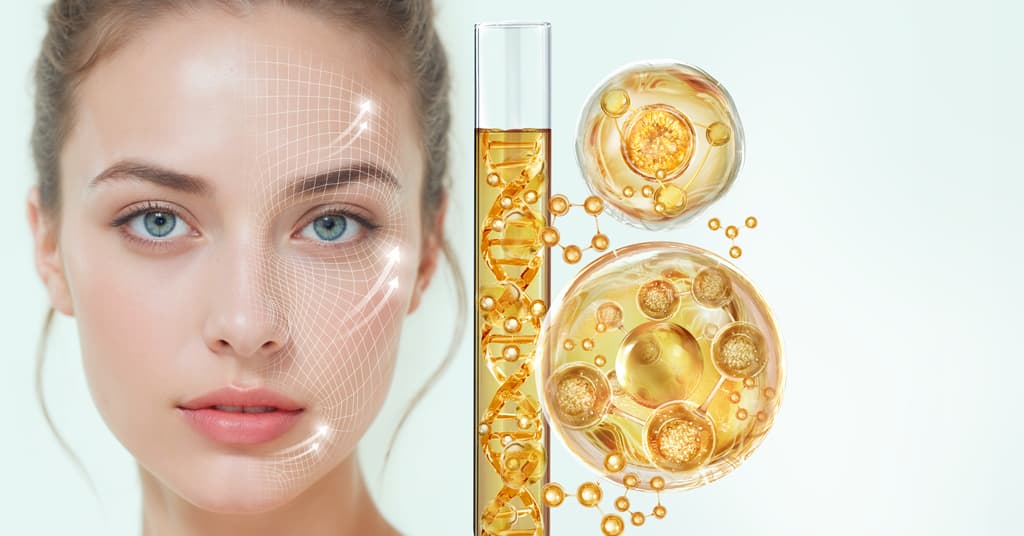
What Is PDRN in Skincare? Benefits, Uses, and What to Know Before Trying It
PDRN, short for polydeoxyribonucleotide, is a regenerative skincare ingredient made from purified DNA fragments, most commonly associated with salmon or trout DNA sources. It is used in aesthetic dermatology for its potential role in skin repair, hydration, elasticity, collagen support, and post-procedure recovery. PDRN is best known from injectable and professional treatments, while topical PDRN skincare is still an emerging category with more limited evidence. Before trying it, users should understand the difference between professional PDRN treatments and at-home PDRN creams or serums.

Urea in Skincare: Benefits for Dry, Rough, and Bumpy Skin
Urea is a powerful moisturizing and smoothing ingredient used in skincare for dry, rough, flaky, and bumpy skin. It works as a humectant by attracting water into the skin, while higher concentrations can also help soften hardened dead skin buildup. This makes urea especially useful for rough elbows, knees, heels, dry legs, and keratosis pilaris-prone areas. With consistent use, urea helps skin feel softer, smoother, and more comfortable.

Peptides in Skincare: Benefits, How They Work, and Why Your Skin Needs Them
Peptides in skincare are short chains of amino acids that help support the skin’s natural structure, including collagen, elastin, hydration, and barrier function. They are commonly used in anti-aging routines because they can help improve the appearance of fine lines, firmness, texture, and overall skin smoothness. Unlike stronger actives such as retinol or exfoliating acids, peptides are usually gentle and suitable for long-term use. They work best when used consistently in serums, creams, or eye care products alongside hydration and daily sunscreen.

Azelaic Acid vs Retinol for Acne: Which One Is Better for Breakouts, Pores, and Acne Marks?
Azelaic acid and retinol can both help acne, but they work in different ways. Azelaic acid is better for acne-prone skin with redness, inflammation, sensitivity, and post-acne dark marks, while retinol is stronger for clogged pores, comedones, texture, and long-term acne prevention. Retinol usually gives more powerful renewal benefits, but it can cause dryness and irritation if introduced too quickly. The best choice depends on your acne type, skin sensitivity, and whether your main concern is active breakouts, clogged pores, or acne marks.

Tranexamic Acid vs Niacinamide: Which Is Better for Dark Spots, Hyperpigmentation, and Uneven Skin Tone?
Tranexamic acid and niacinamide are both effective ingredients for dark spots, but they work differently. Tranexamic acid is more targeted for stubborn hyperpigmentation, melasma-like discoloration, and recurring dark spots, while niacinamide is better for uneven tone caused by acne, oil imbalance, sensitivity, and a weakened skin barrier. Tranexamic acid focuses more directly on pigment pathways, while niacinamide supports overall skin balance and helps prevent discoloration caused by inflammation. For many skin types, using both strategically can deliver better results than choosing only one.

Niacinamide vs Vitamin C: Which Is Better for Skin Brightening, Dark Spots, and Even Skin Tone?
Niacinamide and vitamin C are both effective ingredients for skin brightening, but they work differently. Vitamin C helps brighten dull skin, reduce oxidative stress, and support a more radiant complexion, while niacinamide helps improve uneven tone, strengthen the skin barrier, and regulate excess oil. Vitamin C is often better for dullness and antioxidant protection, while niacinamide is better for sensitive, oily, or acne-prone skin. For many skin types, using both ingredients strategically can deliver the best results for a brighter and more balanced complexion.

Retinol vs Bakuchiol: Which Is Better for Anti-Aging, Acne, and Sensitive Skin?
Retinol and bakuchiol are both used for anti-aging and acne, but they work differently. Retinol is a vitamin A derivative that increases cell turnover and collagen production, while bakuchiol is a plant-based alternative that offers similar benefits with less irritation. Retinol is more potent, while bakuchiol is gentler and better suited for sensitive skin. The best choice depends on your skin type and tolerance.
Salicylic Acid vs Glycolic Acid: Which Is Better for Acne, Pores, and Skin Texture?
Salicylic acid and glycolic acid are both exfoliating acids but work differently. Salicylic acid (BHA) penetrates deep into pores to remove oil and treat acne, while glycolic acid (AHA) exfoliates the skin surface to improve texture and brightness. The best choice depends on your skin type and concerns. In many cases, using both strategically delivers the best results.

Azelaic Acid vs Niacinamide: Which Is Better for Acne, Redness, and Skin Brightening?
Azelaic acid and niacinamide are both effective skincare ingredients, but they work differently. Azelaic acid targets acne, inflammation, and pigmentation directly, while niacinamide focuses on oil regulation, barrier repair, and overall skin balance. Both can be used together for better results. Choosing the right one depends on your specific skin concerns.

Everything You Must Know About Glycolic Acid: Benefits, Uses, and Complete Guide
Glycolic acid is an alpha hydroxy acid (AHA) that exfoliates the skin by removing dead skin cells and promoting cell turnover. It helps improve skin texture, reduce dark spots, and unclog pores. Regular use leads to smoother, brighter, and more even-toned skin. When used correctly, glycolic acid is one of the most effective ingredients for skin renewal.
What Is Salicylic Acid? Benefits for Acne, Pores, and Oily Skin (Complete Guide)
Salicylic acid is a beta hydroxy acid (BHA) that penetrates deep into pores to remove excess oil and dead skin cells. It helps unclog pores, reduce acne, and improve skin texture. Unlike surface exfoliants, it works inside the pores, making it highly effective for oily and acne-prone skin. With consistent use, it helps achieve clearer and smoother skin.
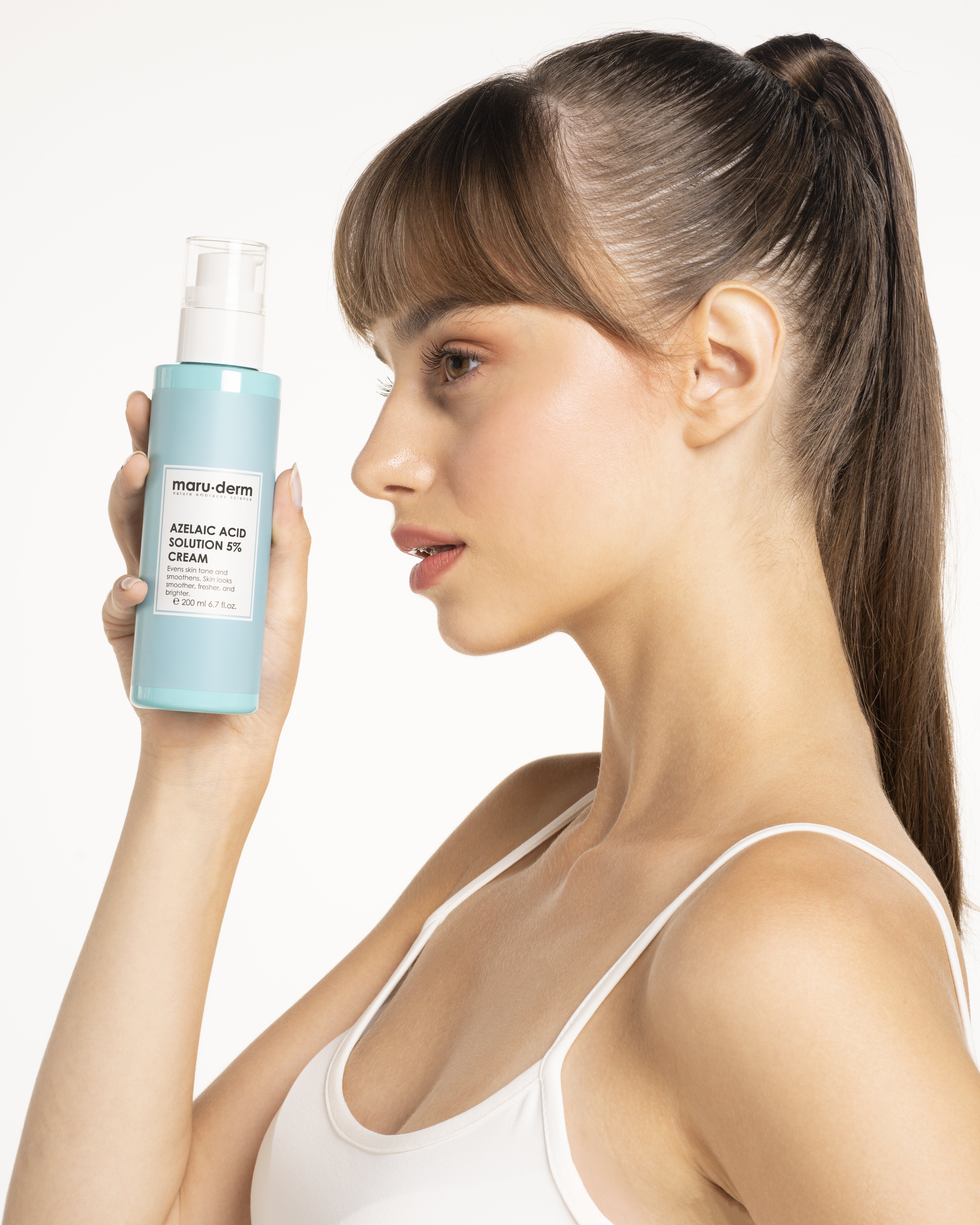
Azelaic Acid in Skincare: Benefits, Uses, and Why It’s Essential for Clear, Balanced Skin
Azelaic acid is a multi-functional skincare ingredient that helps treat acne, reduce redness, and improve uneven skin tone at the same time. It works by targeting bacteria, calming inflammation, regulating oil production, and reducing excess pigmentation. Unlike many strong actives, it is suitable for sensitive skin and can be used daily. This makes it one of the most balanced and dermatologist-recommended ingredients in modern skincare routines.