
Blog
Insights on skincare, ingredients & beauty
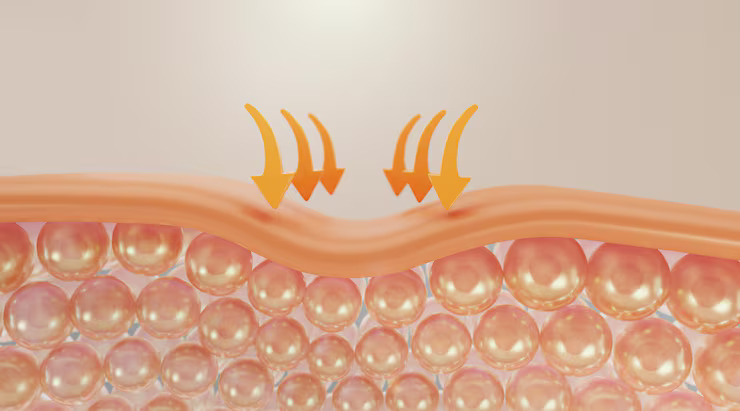
How to Improve Skin Elasticity: Complete Guide to Firmer, Plumper, Younger-Looking Skin
Skin elasticity is the skin’s ability to stretch and return to its original shape. It depends mainly on collagen, elastin, hydration, and skin barrier health. Elasticity naturally decreases with age, UV exposure, dehydration, oxidative stress, and weakened skin structure. To improve the appearance of skin elasticity, use daily sunscreen, support hydration, strengthen the skin barrier, and include ingredients such as peptides, hyaluronic acid, collagen-supporting actives, and antioxidants in a consistent routine.
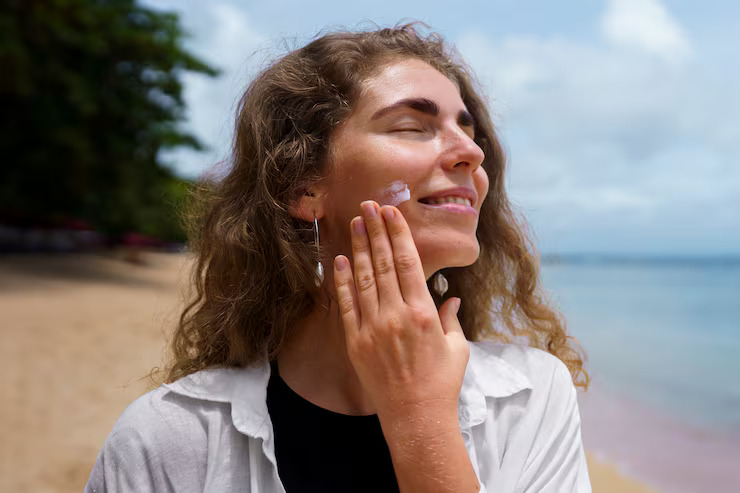
Korean Sunscreen: Why Is It So Popular and What Makes It Different?
Korean sunscreen is popular because it feels more like skincare than traditional sunscreen. Many formulas are lightweight, hydrating, fast-absorbing, and comfortable enough for daily use, which makes people more consistent with SPF. Korean sunscreen also became famous for elegant textures, minimal white cast, and formulas that work well under makeup. The trend reflects a bigger shift in skincare: sunscreen is no longer seen as a beach product, but as an everyday skin-health essential.
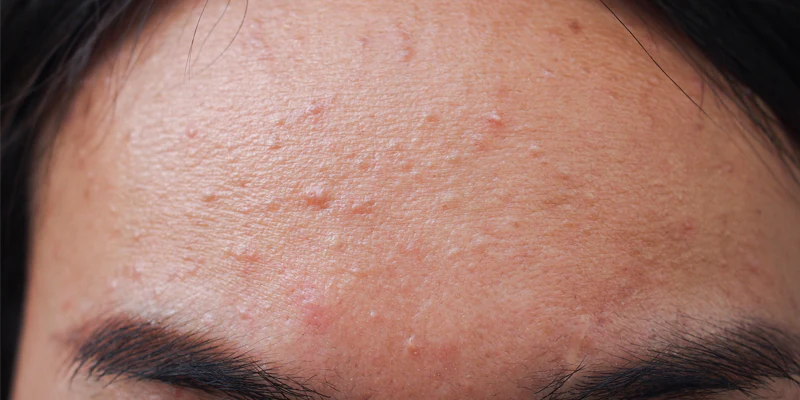
Fungal Acne vs Regular Acne: How to Tell the Difference and Choose the Right Treatment
Fungal acne and regular acne may look similar, but they are caused by different processes. Fungal acne, also called Malassezia folliculitis, is caused by yeast overgrowth inside hair follicles, while regular acne develops when pores become clogged with sebum, dead skin cells, and acne-related inflammation. Fungal acne often appears as itchy, uniform bumps, while regular acne usually includes blackheads, whiteheads, pimples, and sometimes painful cysts. Because the causes are different, the treatment approach must also be different.
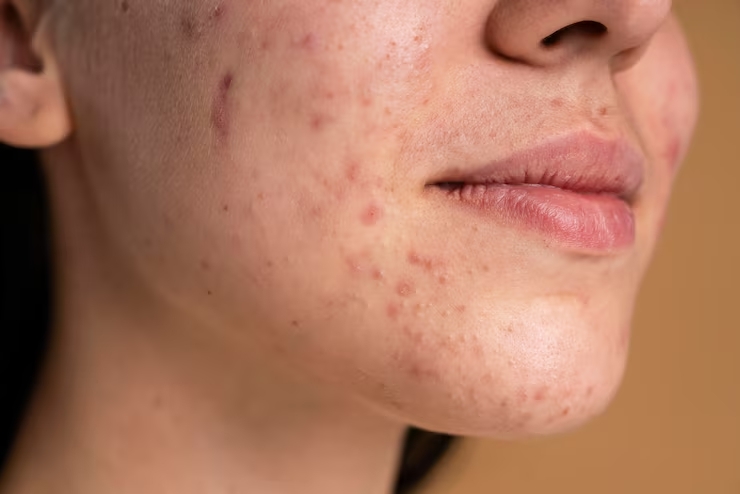
Acne Marks vs Acne Scars: What Is the Difference and How Can You Treat Them?
Acne marks and acne scars are not the same. Acne marks are flat discolorations left after a breakout, such as brown, red, or purple spots, while acne scars are textural changes in the skin caused by collagen damage. Acne marks can often fade with skincare ingredients and sun protection, but true acne scars usually require professional treatments. Understanding the difference helps you choose the right routine instead of wasting time on products that target the wrong concern.
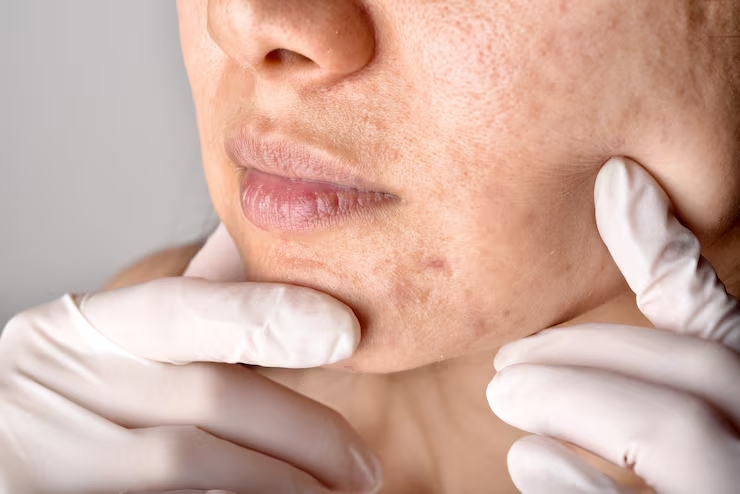
Closed Comedones: Causes, Treatment, and Best Skincare Routine for Bumpy Acne-Prone Skin
Closed comedones are small, skin-colored bumps that form when pores become blocked with excess sebum, dead skin cells, and keratin buildup. Unlike inflamed pimples, they usually do not appear red or painful, but they can make the skin feel rough and uneven. The best way to treat closed comedones is to keep pores clear, support healthy skin cell turnover, and avoid heavy or pore-clogging products. A consistent routine with gentle cleansing, BHA exfoliation, hydration, and sunscreen can help reduce closed comedones over time.
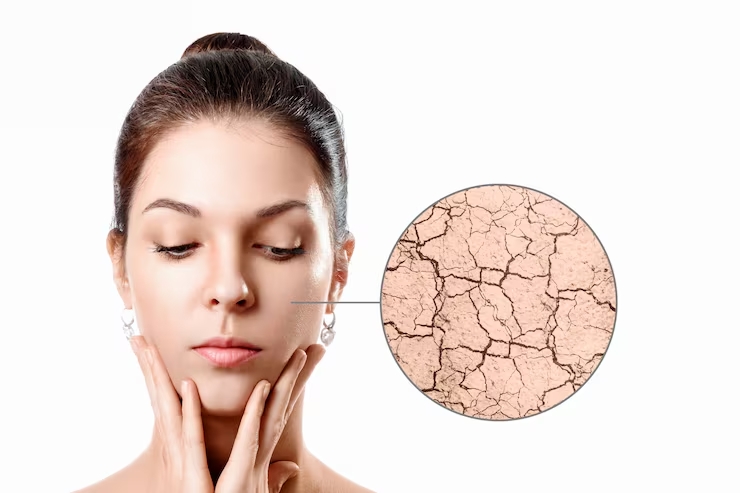
How to Repair a Damaged Skin Barrier: Complete Dermatologist Guide
A damaged skin barrier occurs when the outer protective layer of the skin is weakened, leading to dryness, irritation, redness, and sensitivity. It is commonly caused by over-exfoliation, harsh skincare products, and environmental stress. Repairing the skin barrier requires simplifying your routine, focusing on hydration, and protecting the skin from further damage. With consistent care, the skin can regain its strength and resilience over time.
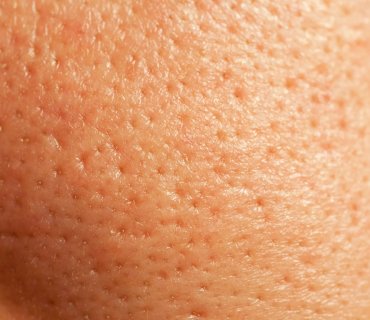
What Are Pores? How to Get Rid of Large Pores: Causes, Science & Solutions
Pores are small openings on the skin that release oil and sweat. Large pores are caused by excess sebum production, loss of skin elasticity, and clogged buildup. While pores cannot be permanently removed, their appearance can be minimized with proper skincare. Consistent cleansing, exfoliation, and hydration help improve skin texture and reduce visible pores.
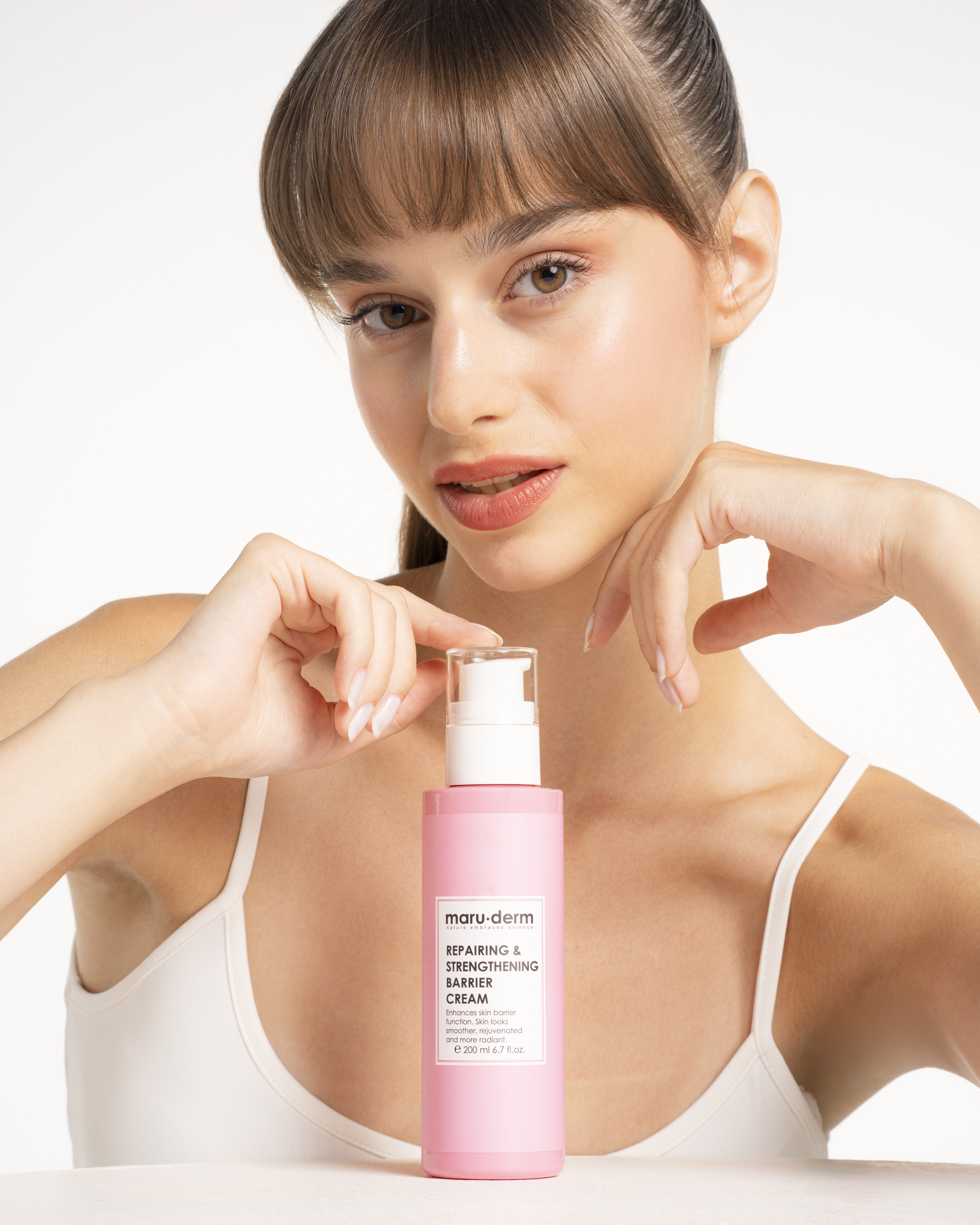
Sensitive Skin: Causes, Symptoms, and How to Treat Reactive Skin (Complete Guide)
Sensitive skin occurs when the skin barrier is weakened, making it more reactive to external triggers like skincare products, weather, and environmental stress. This leads to redness, irritation, dryness, and discomfort. The key to treating sensitive skin is restoring the skin barrier and simplifying your routine. Gentle ingredients and consistent care help reduce reactivity over time.
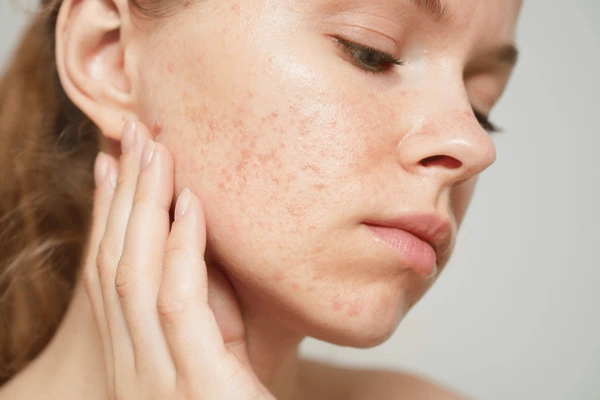
What Causes Acne? Complete Scientific Guide + Best Skincare Routine & Treatments
Acne is caused by a combination of excess sebum production, clogged pores, bacterial growth, and inflammation. Hormones often trigger increased oil production, leading to breakouts. Understanding the root causes of acne is essential for building an effective skincare routine. With the right ingredients and consistent care, acne can be controlled and prevented long-term.
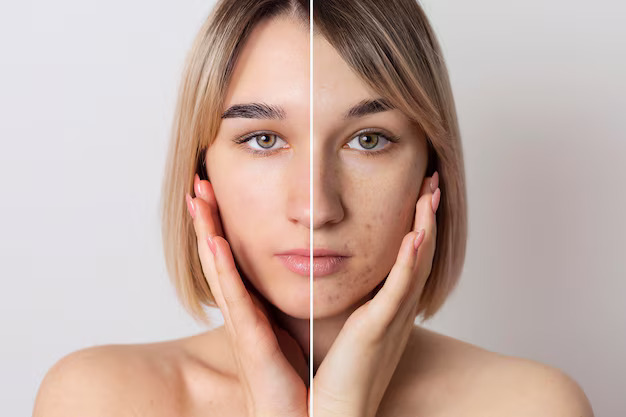
How to Remove Dark Spots: Complete Dermatologist Guide to Hyperpigmentation
Dark spots, also known as hyperpigmentation, are caused by excess melanin production triggered by inflammation, sun exposure, or hormonal changes. Understanding how melanin works is essential for treating discoloration effectively. Consistent use of targeted ingredients and daily sun protection helps fade dark spots over time. A balanced skincare routine is key to achieving an even skin tone.

Vegan Product Preference and 'Cruelty Free' Trend in Skin Care
The demand for natural, organic, vegan and cruelty-free skincare products continues to grow. Understanding the differences between these terms is essential for making informed choices.