
Blog
Insights on skincare, ingredients & beauty

Retinol vs Bakuchiol: Which Is Better for Anti-Aging, Acne, and Sensitive Skin?
Retinol and bakuchiol are both used for anti-aging and acne, but they work differently. Retinol is a vitamin A derivative that increases cell turnover and collagen production, while bakuchiol is a plant-based alternative that offers similar benefits with less irritation. Retinol is more potent, while bakuchiol is gentler and better suited for sensitive skin. The best choice depends on your skin type and tolerance.
Salicylic Acid vs Glycolic Acid: Which Is Better for Acne, Pores, and Skin Texture?
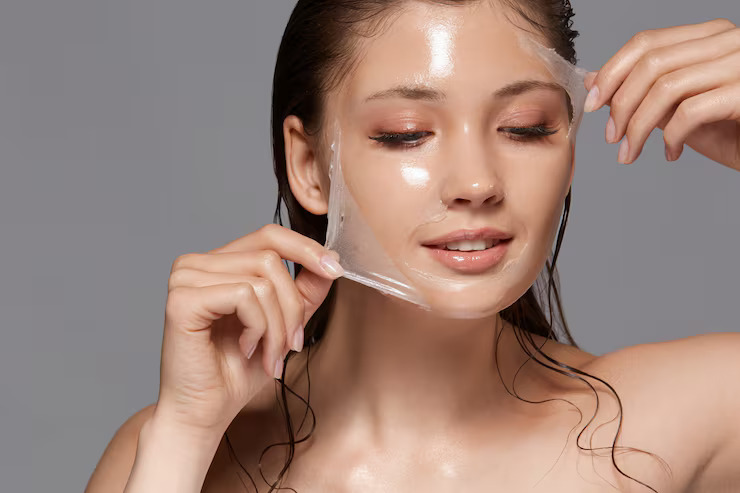
Salicylic acid and glycolic acid are both exfoliating acids but work differently. Salicylic acid (BHA) penetrates deep into pores to remove oil and treat acne, while glycolic acid (AHA) exfoliates the skin surface to improve texture and brightness. The best choice depends on your skin type and concerns. In many cases, using both strategically delivers the best results.

Azelaic Acid vs Niacinamide: Which Is Better for Acne, Redness, and Skin Brightening?
Azelaic acid and niacinamide are both effective skincare ingredients, but they work differently. Azelaic acid targets acne, inflammation, and pigmentation directly, while niacinamide focuses on oil regulation, barrier repair, and overall skin balance. Both can be used together for better results. Choosing the right one depends on your specific skin concerns.

Keratosis Pilaris & Body Acne: Causes, Treatment, and How to Get Smooth Skin
Keratosis pilaris and body acne are caused by clogged pores, excess keratin buildup, and imbalance in skin renewal. Dry, rough skin often results from dehydration and a weakened skin barrier. A consistent body care routine that includes gentle cleansing, exfoliation, and hydration helps improve skin texture. With the right ingredients, smoother and healthier skin can be achieved over time.

What Causes Hair Loss? Complete Scientific Guide to Hair Thinning, Damage & Growth
Hair loss is caused by a combination of factors including genetics, hormonal imbalance, stress, scalp health, and hair damage. Understanding the hair growth cycle and identifying the root cause is essential for effective treatment. A balanced haircare routine focused on scalp health, gentle cleansing, and strengthening ingredients can help reduce hair loss and improve hair quality over time.
How to Repair a Damaged Skin Barrier: Complete Dermatologist Guide
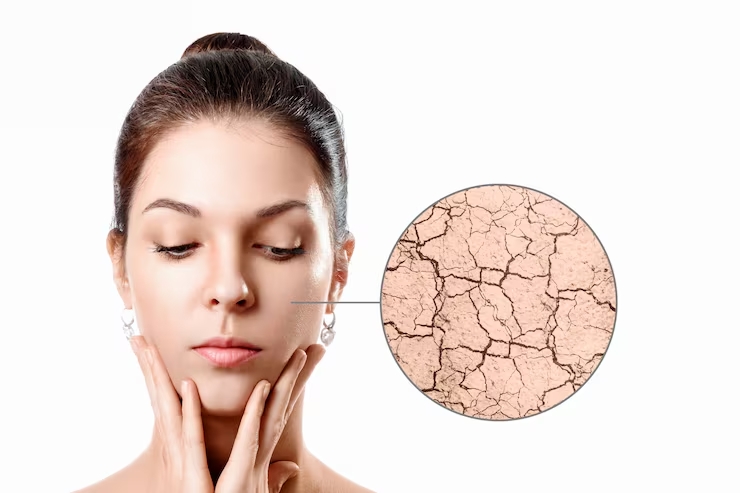
A damaged skin barrier occurs when the outer protective layer of the skin is weakened, leading to dryness, irritation, redness, and sensitivity. It is commonly caused by over-exfoliation, harsh skincare products, and environmental stress. Repairing the skin barrier requires simplifying your routine, focusing on hydration, and protecting the skin from further damage. With consistent care, the skin can regain its strength and resilience over time.
Everything You Must Know About Glycolic Acid: Benefits, Uses, and Complete Guide
Glycolic acid is an alpha hydroxy acid (AHA) that exfoliates the skin by removing dead skin cells and promoting cell turnover. It helps improve skin texture, reduce dark spots, and unclog pores. Regular use leads to smoother, brighter, and more even-toned skin. When used correctly, glycolic acid is one of the most effective ingredients for skin renewal.
What Are Pores? How to Get Rid of Large Pores: Causes, Science & Solutions
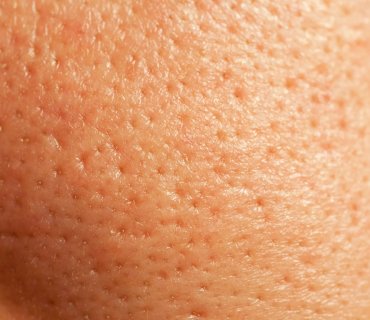
Pores are small openings on the skin that release oil and sweat. Large pores are caused by excess sebum production, loss of skin elasticity, and clogged buildup. While pores cannot be permanently removed, their appearance can be minimized with proper skincare. Consistent cleansing, exfoliation, and hydration help improve skin texture and reduce visible pores.
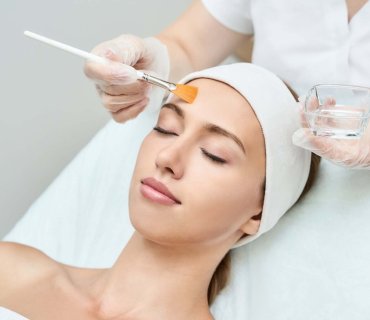
What Is Salicylic Acid? Benefits for Acne, Pores, and Oily Skin (Complete Guide)
Salicylic acid is a beta hydroxy acid (BHA) that penetrates deep into pores to remove excess oil and dead skin cells. It helps unclog pores, reduce acne, and improve skin texture. Unlike surface exfoliants, it works inside the pores, making it highly effective for oily and acne-prone skin. With consistent use, it helps achieve clearer and smoother skin.
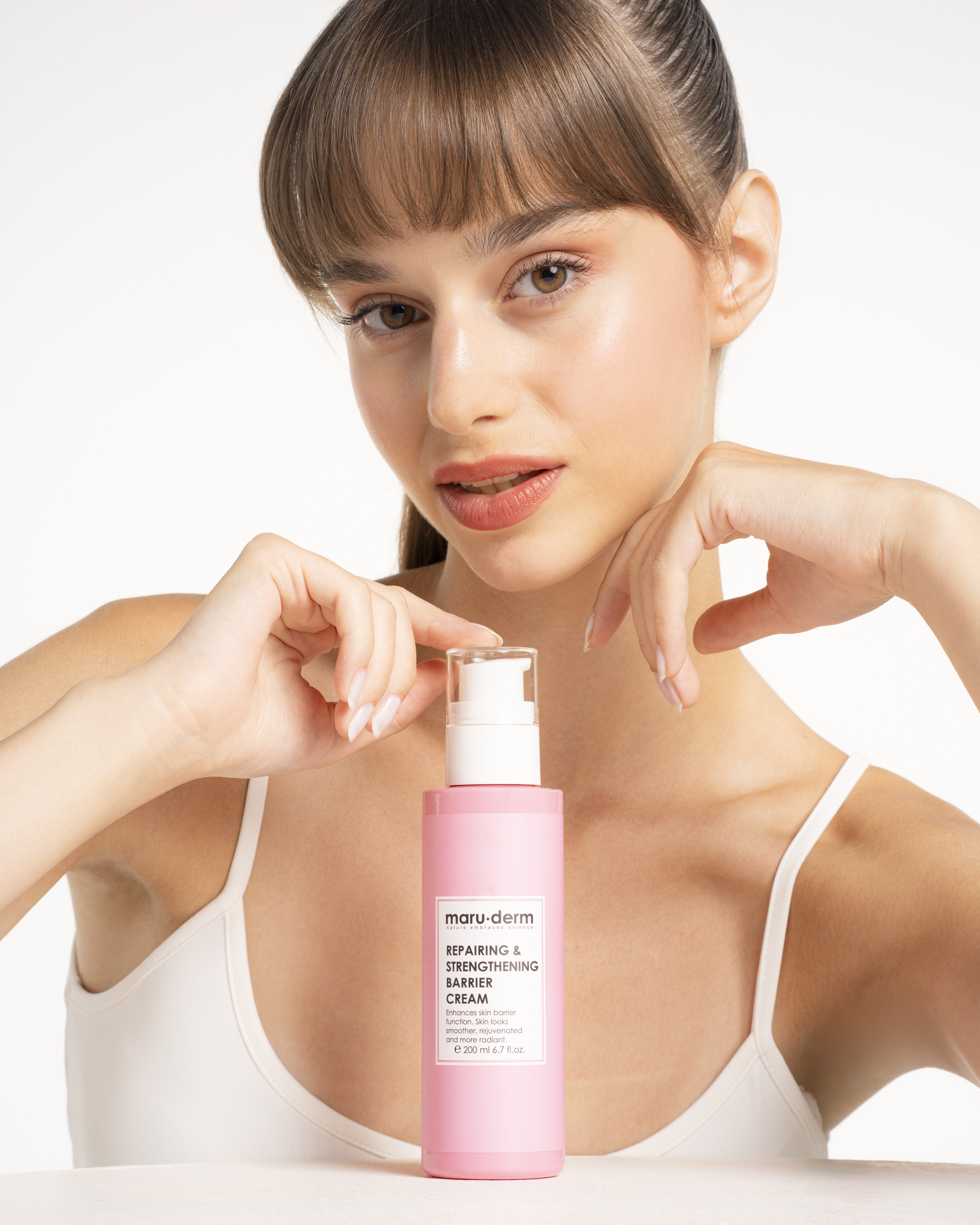
Sensitive Skin: Causes, Symptoms, and How to Treat Reactive Skin (Complete Guide)
Sensitive skin occurs when the skin barrier is weakened, making it more reactive to external triggers like skincare products, weather, and environmental stress. This leads to redness, irritation, dryness, and discomfort. The key to treating sensitive skin is restoring the skin barrier and simplifying your routine. Gentle ingredients and consistent care help reduce reactivity over time.
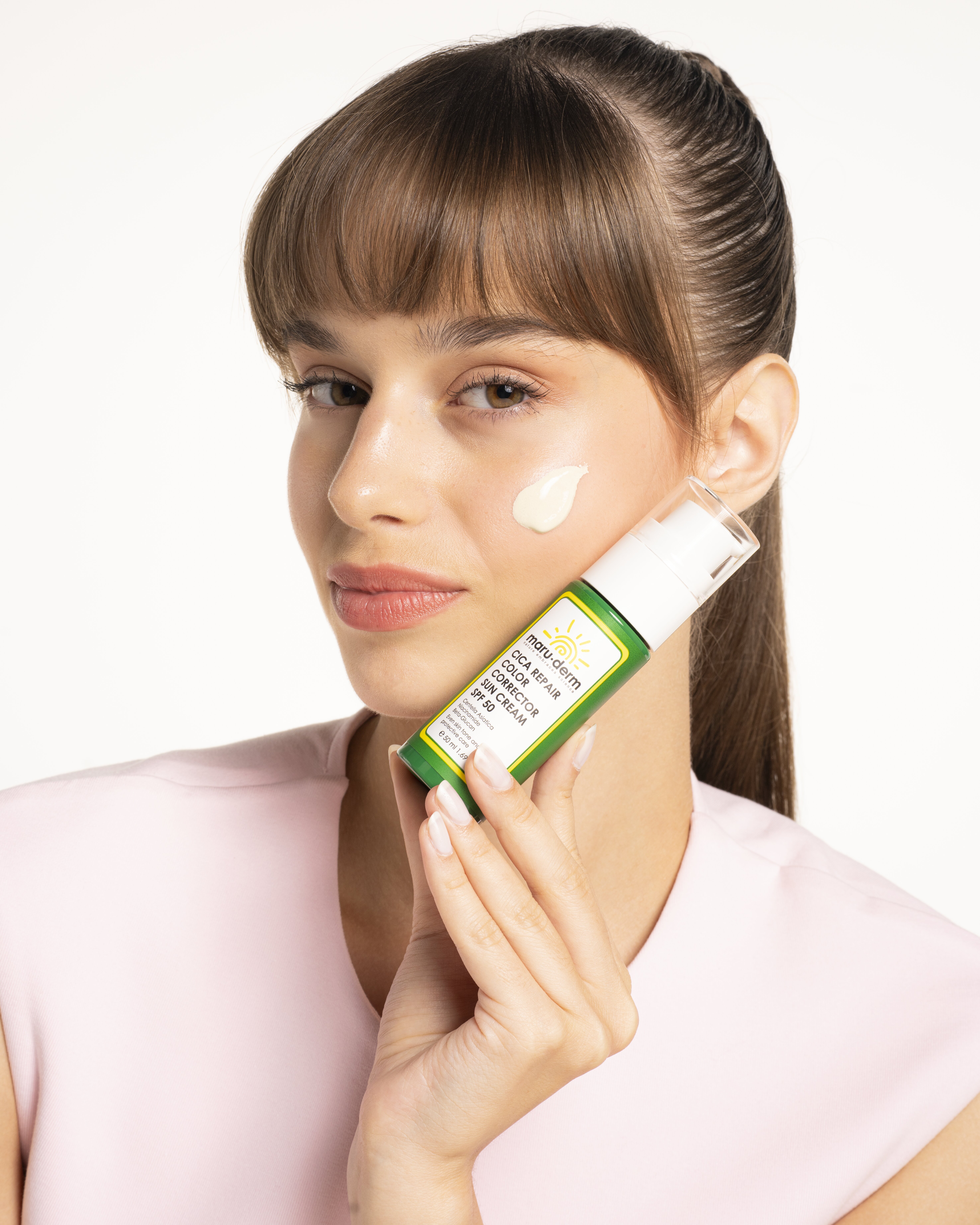
Why Sunscreen Is the Most Important Skincare Product: Complete Dermatologist Guide
Sunscreen is the most important skincare product because it protects the skin from harmful UV rays that cause aging, hyperpigmentation, and skin damage. Daily use of SPF helps prevent wrinkles, dark spots, and inflammation. Even minimal sun exposure can trigger long-term damage. Consistent sunscreen application is essential for maintaining healthy skin.
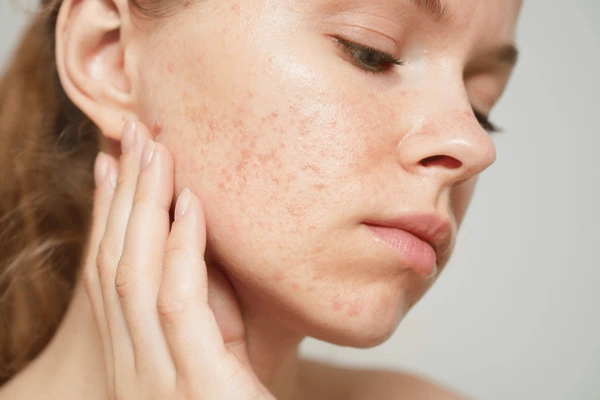
What Causes Acne? Complete Scientific Guide + Best Skincare Routine & Treatments
Acne is caused by a combination of excess sebum production, clogged pores, bacterial growth, and inflammation. Hormones often trigger increased oil production, leading to breakouts. Understanding the root causes of acne is essential for building an effective skincare routine. With the right ingredients and consistent care, acne can be controlled and prevented long-term.